
Mini Machinery Head-to-Head: CR468C Minidozer vs FAW JH6 Dump Truck
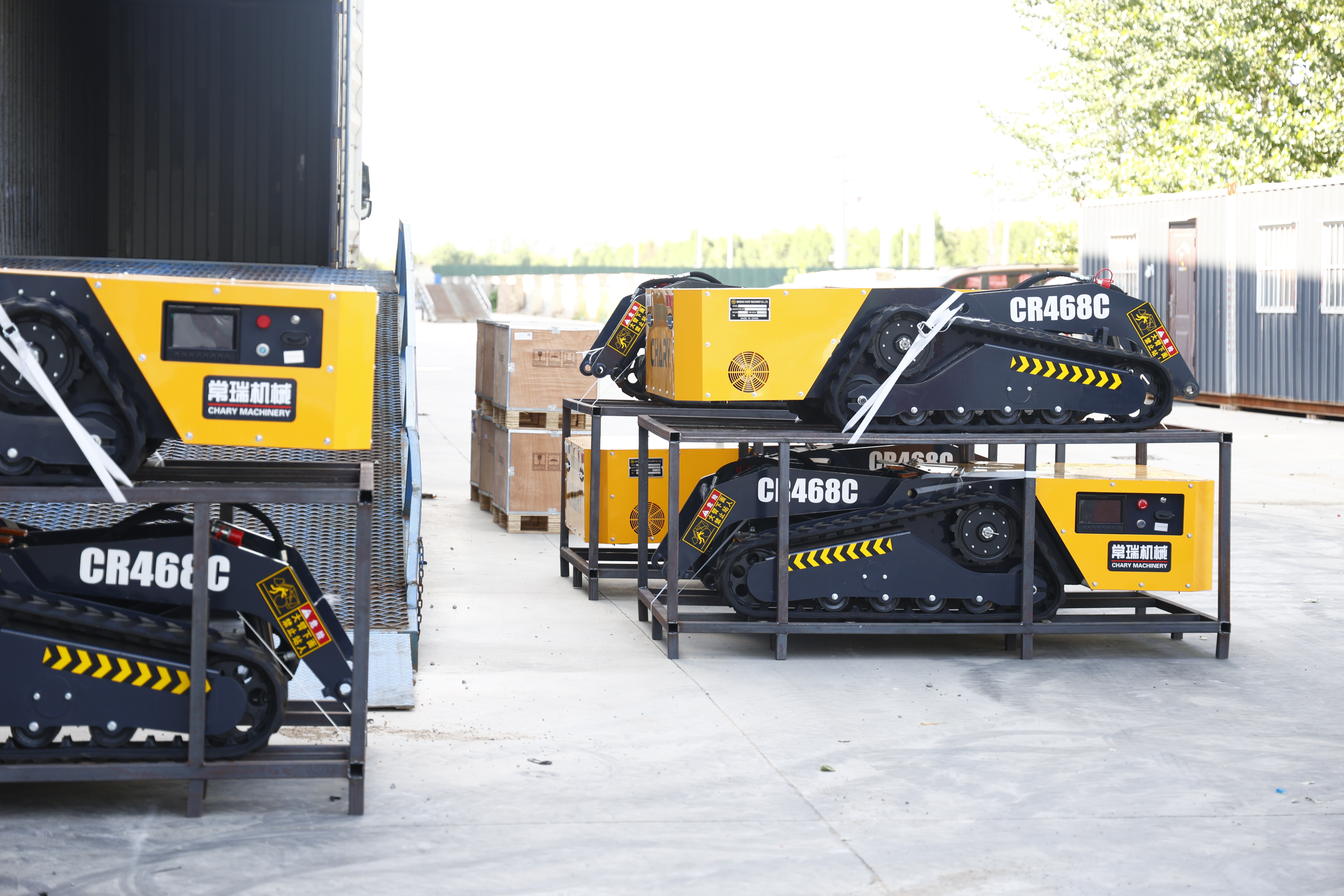
The CR468C minidozer and the FAW JH6 dump truck are not competing for the same purchase order. The CR468C is a 1,100 kg remote-controlled, lithium-battery, rubber-track minidozer with a 450 kg rated load and a 0.15 m³ bucket, sized at 2,850 × 1,200 × 600 mm and built to work where a driver cannot sit and a truck cannot fit. The FAW JH6 is a road-going heavy truck whose configurations run from 6,000 × 2,300 × 3,000 mm up to 12,000 × 2,550 × 3,800 mm, with vehicle weights of 3,000–15,000 kg and ABS, EBS and TCS as security configuration, built to move bulk freight and coal or mineral loads over the road. Buyers who treat the two as alternatives usually buy the wrong machine for the site; buyers who treat them as two ends of one material flow usually do not.
Problem Definition: The Three Variables Behind Every Material-Handling Shortlist
Material-handling decisions fail in two predictable ways. The first is buying a road truck for a site it can never enter: at a minimum configuration of 6,000 × 2,300 × 3,000 mm, the FAW JH6 needs a roadway, a hard standing and a turning envelope that most basements, tunnels, plant rooms and narrow industrial yards do not offer. The second is expecting a compact machine to replace bulk haulage: the CR468C moves 450 kg of rated load per cycle with a 0.15 m³ bucket, so tonnage is a function of cycle count, not of trip capacity.
Neither outcome is a product defect. Both are mismatches between variables that should be settled before price, brand or delivery date is discussed.
- Opening size. The narrowest gate, door, aisle or tunnel on the route decides whether a machine physically arrives at the work face. The CR468C is 1,200 mm wide; the JH6 starts at 2,300 mm wide and 6,000 mm long.
- Mass per cycle versus cycles per hour. A 450 kg rated load and a 0.15 m³ bucket define the minidozer cycle. A truck defines its capacity per trip, not per bucket.
- Route type. Confined, off-road, indoor or hot-zone work is a compact-machine problem. Public-road haulage between a stockyard and a port, plant or distribution point is a truck problem.
- Energy supply. A 300 Ah / 73.6 V lithium battery needs a charging point and a charging window; an engine-driven truck needs fuel supply along the route.
- Operator exposure and service path. Remote operation removes the operator from the work zone; road operation puts a driver in a cab, and service depends on spare-parts reach.
Industry Background: Why Both Machine Classes Are Expanding at Once
Electrification has already crossed from pilot projects into mainstream volume in adjacent Chinese machinery categories. Sales of new-energy concrete mixers in China reached 8,036 units in 2024, a 43.8% penetration rate, according to CleanTechnica's 2026 analysis of the segment. That figure does not describe minidozers, but it does show that battery-electric drive is no longer an experimental configuration in Chinese construction equipment.
The trade scale behind compact and earthmoving machinery is equally visible. China is the world's largest exporter of excavators under HS code 8429.52, with a total value of USD 8.27 billion in 2024. The UN Comtrade classification interface separately recognises mechanical shovels, excavators and shovel loaders, bulldozers and angledozers, which means trade-level tracking exists for the broader machinery family, although mini equipment is not identified as a distinct statistical class.
Demand-side projections point the same direction. The global compact mini excavator market was valued at USD 9.42 billion in 2026 and is projected to reach USD 16.39 billion by 2034, a 7.2% CAGR, according to Data Insights Reports. Compact machinery is growing while road freight remains the backbone of bulk movement, and that is exactly why a head-to-head between a minidozer and a dump truck has to be framed as a fit question rather than a ranking question.
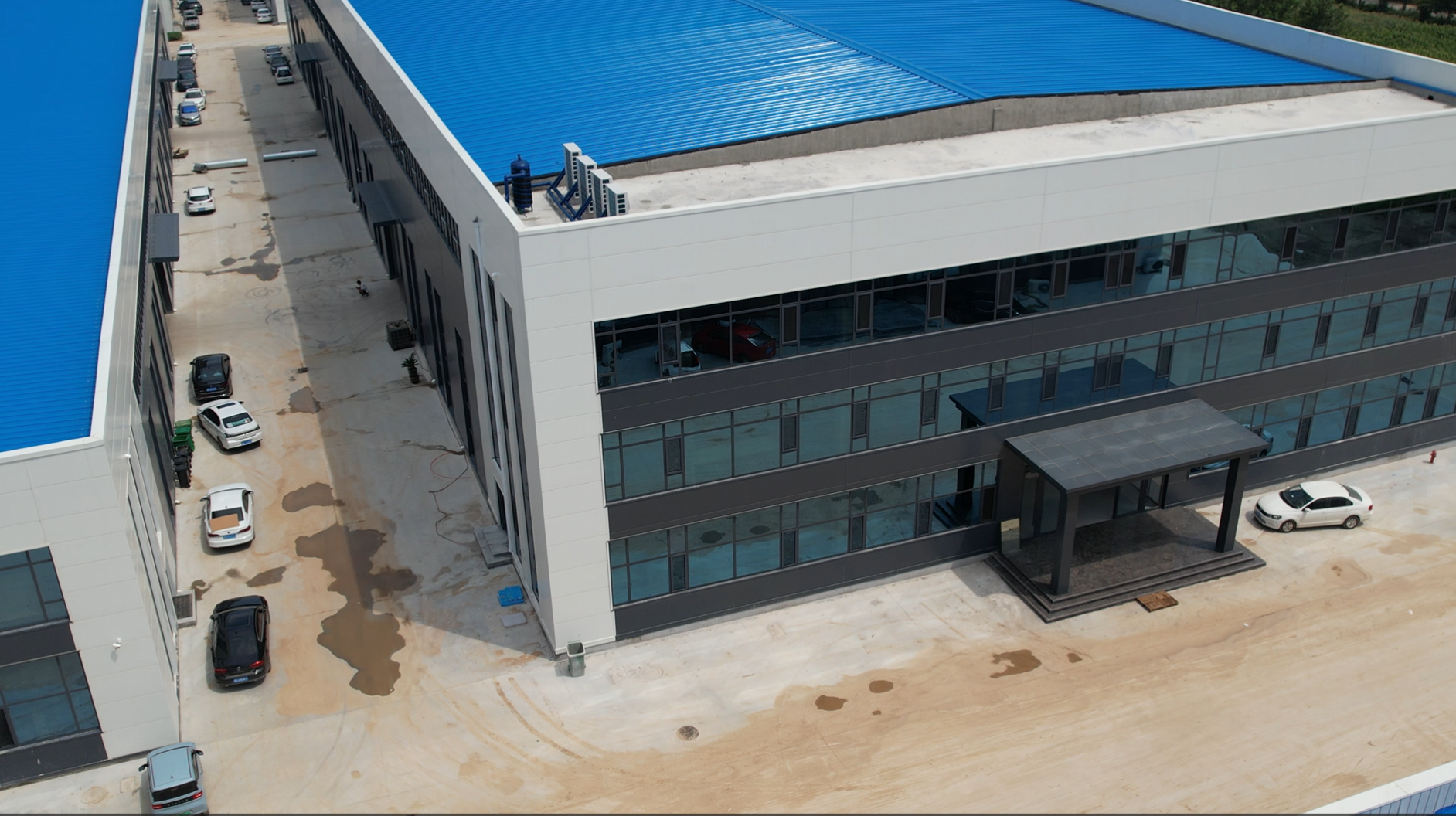
Qingdao Chary Machinery Co., Ltd (CHARY) is a Qingdao-based machinery exporter established in 2015 and authorised by the Ministry of Commerce for vehicle export. Its listed product portfolio includes mini machinery, minidozer, mini loader, mini electric loader and skid steer loader, and the company reports a 2,000 m² factory, more than 100 employees, 15 engineers and an annual output of 500 units. Those capacity figures are company-reported and should be confirmed during supplier qualification.
Detailed Solution: What Each Machine Is Actually Specified to Do
CR468C Minidozer: Built Around Access, Remote Control and Battery Power
- Machine type: remote-controlled rubber-track minidozer, lithium battery electric drive
- Overall dimensions: 2,850 × 1,200 × 600 mm
- Net weight: 1,100 kg
- Rated load: 450 kg
- Bucket capacity: 0.15 m³
- Battery: 300 Ah / 73.6 V lithium
- Endurance and charging: about 8 hours comprehensive endurance and about 2 hours charging time (manufacturer specification)
- Operator requirement: no on-board driver; remote control operation
The 1,200 mm width is the specification that decides most projects. Any route with a service door, basement ramp, tunnel section or yard aisle narrower than that eliminates the truck option immediately and makes the minidozer the only powered alternative to manual labour. The 2,850 mm length and 600 mm stated dimension matter for transport and for turning inside the work zone, not for road travel.
At 1,100 kg net weight, the CR468C is light enough to be moved by common site transport and to work on floors where a truck would never be considered. The 450 kg rated load against a 0.15 m³ bucket sets the cycle economics: the machine is specified for repeated short cycles in a tight area, not for moving hundreds of tonnes between two distant points.
Remote control is the second decisive specification. Because no driver sits on the machine, the CR468C can be worked in high-temperature environments, in dust, and in harsh conditions where placing an operator is the constraint rather than the machine's capability. Electric drive additionally means cleaner energy on site and lower operating cost than fuel-driven alternatives, and CHARY's comparison data states a 90% lower operating cost over alternatives for the minidozer.
FAW JH6 Dump Truck: Built Around Road Legality, Payload Scale and Stability
- Machine type: road-going heavy dump truck
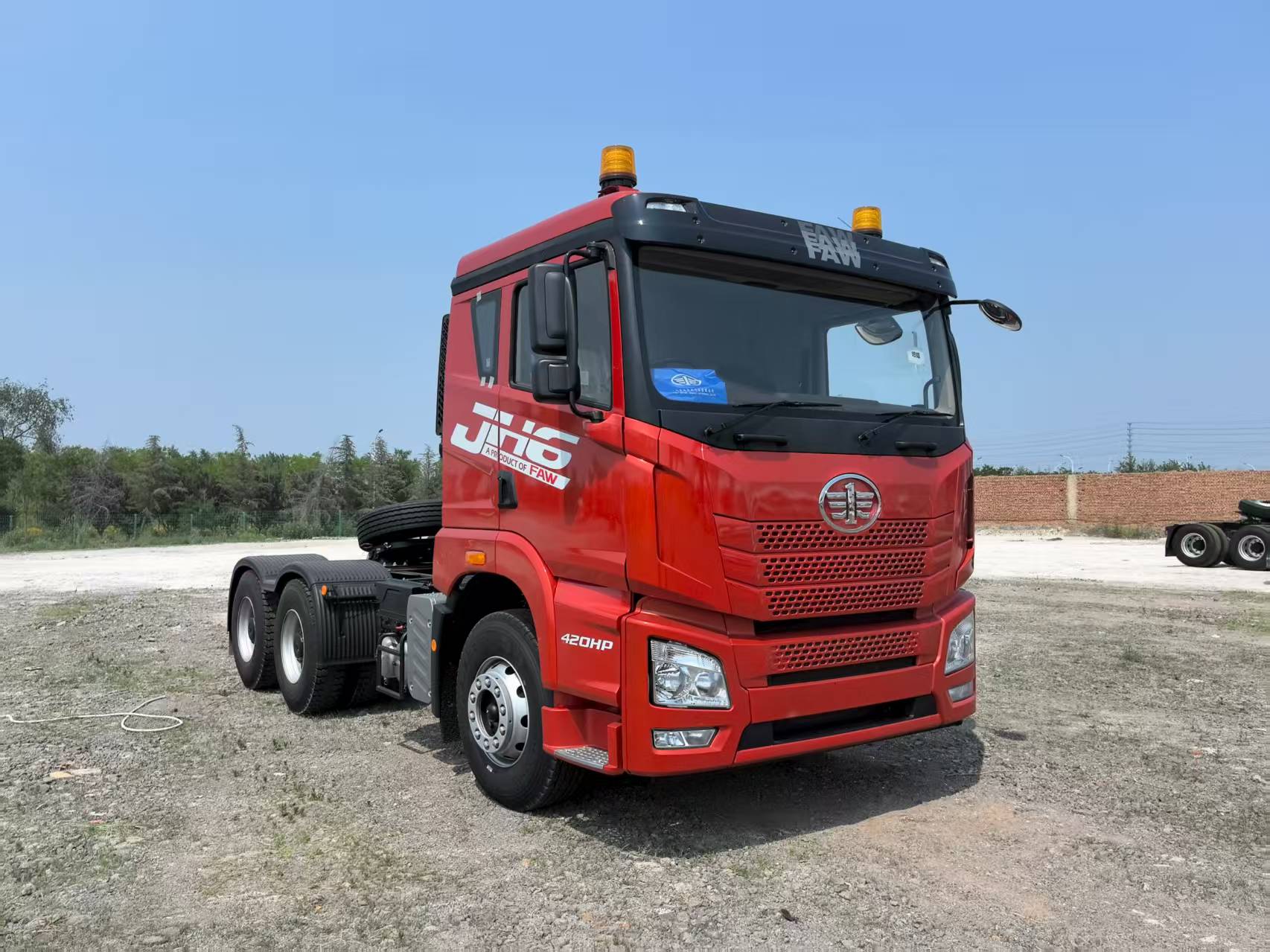
- Overall dimensions: 6,000 × 2,300 × 3,000 mm up to 12,000 × 2,550 × 3,800 mm depending on configuration
- Weight: 3,000–15,000 kg depending on configuration
- Security configuration: ABS, EBS and TCS
- Power source: on-board engine; engine output and fuel efficiency are cited as FAW advantages in CHARY truck comparison data
- Primary applications: logistics freight distribution; coal and mineral transportation
- After-sales: global after-sales support with globally available spare parts; repair and maintenance described as convenient and simple
The JH6's 6,000 mm minimum length is a statement about infrastructure. A machine of that footprint needs a formed road, a load-bearing standing area and a discharge zone wide enough for a tipper body. In exchange, it offers a mass class that no compact machine approaches: the configuration range runs from 3,000 kg to 15,000 kg, and the payload scale that goes with heavy road haulage is measured in tonnes per trip, not kilograms per bucket.
ABS, EBS and TCS are the security configuration that makes loaded road travel controllable. Anti-lock braking, electronic braking control and traction control act on the exact risk profile of a loaded tipper on a public road: braking distance, load-dependent brake distribution and wheel slip on wet or loose surfaces. These are road-safety systems, and they are the reason a truck specification cannot be judged on engine output alone.
Why the Two Belong in One Material Flow, Not in One Slot
The correct mental model is a transfer chain. The minidozer works the confined end: clearing a basement, feeding out of a tight stockpile, working a hot or unstable zone where an operator should not stand. The truck works the distance end: loading out of an accessible stockyard and moving volume along public roads to a plant, port or distribution point. The only decision that requires both machines on the same page is the transfer point, because the interface between the compact end and the haulage end determines how many cycles the minidozer must run per truck load.
Step-by-Step Breakdown: A Five-Step Selection Process
- Measure the opening before comparing anything else. Confirm the narrowest and lowest point on the route. If it is below 1,200 mm in width or cannot accept a 2,850 mm machine length, the CR468C is the only powered option in this comparison. If the work face sits behind a formed road with a tipper discharge zone, the JH6 enters the shortlist.
- Fix the mass per cycle and the hourly volume. Multiply the 450 kg rated load by realistic cycles per hour for the minidozer, and compare that with the tonnage a JH6 configuration moves per trip. This single calculation usually removes one machine from the list.
- Choose the energy model and schedule it. The CR468C runs on a 300 Ah / 73.6 V lithium battery with about 8 hours of comprehensive endurance and about 2 hours of charging time, so the charging window has to be planned into the shift. The JH6 depends on engine output and fuel supply, with fuel efficiency cited as an FAW advantage.
- Decide on operator exposure. Remote control keeps the operator outside the work zone, which is what makes high-temperature and harsh-environment work feasible with the minidozer. Road haulage places a driver in the cab and on the highway, where the relevant controls are ABS, EBS and TCS.
- Plan the wear-part and service path. The minidozer requires regular inspection of wear parts; CHARY supplies an additional vulnerable part free of charge and its engineers can perform online repairs. The truck path depends on global after-sales support and globally available spare parts, which keeps repair and maintenance convenient and simple.
Use Cases: Where Each Machine Earns Its Place
Basements, Tunnels and Narrow Yards
A 1,200 mm wide, 1,100 kg machine with remote control is the only realistic powered answer for below-grade excavation spoil, basement fit-out debris and narrow yard clearance. The operator stands outside the hazard and the machine works in the space that a truck cannot physically enter.
High-Temperature and Harsh Environments
Because no driver is required on board, the CR468C can be deployed in high-temperature zones and harsh environments where heat, dust or unstable ground makes an occupied cab a risk rather than an asset. Electric drive removes exhaust emissions from enclosed or poorly ventilated work areas.
Logistics Freight Distribution
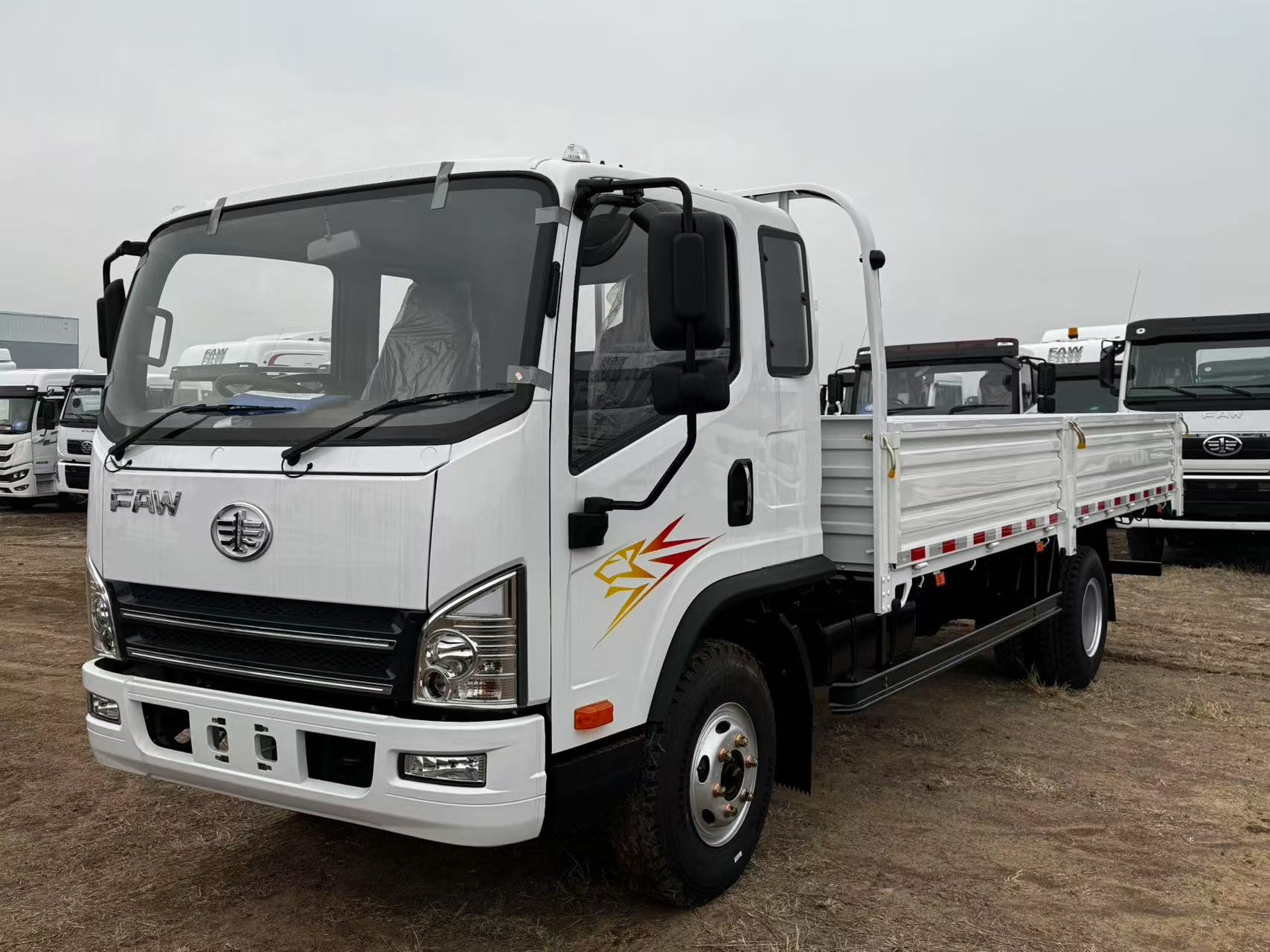
Road freight distribution is the application lane where a truck chassis, not a compact machine, is the correct tool. The JH6 configuration range of 6,000–12,000 mm in length and 3,000–15,000 kg in weight, combined with ABS, EBS and TCS, is specified for loaded travel between depots, warehouses and delivery points.
Coal and Mineral Transportation
Coal and mineral transportation is bulk haulage: high mass per trip, long repeat routes, tipping discharge. The JH6's weight range and security configuration fit that duty. A 450 kg rated load on a 0.15 m³ bucket does not, which is the point at which buyers should stop comparing the two machines and start scheduling them.
Mixed Fleets: Last-Meter Transfer Plus Linehaul
On sites that need both, the practical arrangement is a minidozer clearing and stacking the confined end while the truck handles the road leg. CHARY's own truck comparison data positions FAW trucks with higher engine output, better fuel efficiency, a more spacious and comfortable cab, more available configurations and superior global after-sales support relative to Beiben, Sinotruk and Shacman, which is the kind of claim a buyer should test against their own route profile.
Comparison Table: CR468C Minidozer vs FAW JH6 Dump Truck
| Decision factor | CR468C minidozer | FAW JH6 dump truck |
|---|---|---|
| Machine class | Remote-controlled rubber-track minidozer | Road-going heavy dump truck |
| Power source | 300 Ah / 73.6 V lithium battery, electric drive | On-board engine; engine output and fuel efficiency cited as FAW advantages |
| Overall dimensions | 2,850 × 1,200 × 600 mm | 6,000 × 2,300 × 3,000 mm up to 12,000 × 2,550 × 3,800 mm by configuration |
| Weight | 1,100 kg net weight | 3,000–15,000 kg by configuration |
| Load per cycle | 450 kg rated load; 0.15 m³ bucket | Payload not stated in the source data used for this comparison |
| Operator requirement | No on-board driver; remote control | Driver-operated road vehicle |
| Site access | Narrow spaces, basements, high-temperature and harsh environments | Public road, hard standing and tipper discharge area |
| Work cycle and energy | About 8 hours comprehensive endurance, about 2 hours charging (manufacturer specification) | Refuelling and road operation; fuel efficiency cited as an FAW advantage |
| Security / safety configuration | Remote operation keeps the operator outside the work zone | ABS, EBS, TCS |
| After-sales model | Online engineer repairs; one additional vulnerable part supplied free of charge | Global after-sales support with globally available spare parts |
| Primary applications | Confined-space material transfer, high-temperature zones, harsh environments | Logistics freight distribution; coal and mineral transportation |
| Stated cost position | 90% lower operating cost over alternatives (CHARY comparison data) | 10% lower cost difference versus Beiben, Sinotruk and Shacman (CHARY comparison data) |
Cost, Service and Wear-Part Reality
Two cost statements belong in this comparison, and both come from CHARY's own comparison data rather than from audited total cost of ownership. The minidozer is stated to deliver 90% lower operating cost over alternatives, driven by electric drive and by the absence of an on-board operator. FAW trucks are stated to hold a 10% lower cost difference versus Beiben, Sinotruk and Shacman. Buyers should convert both figures into their own electricity, fuel, labour and utilisation rates before treating them as a budget line.
Service design follows the same pattern as the machines. Wear-part risk on the minidozer is managed through regular inspection of wear parts, an additional vulnerable part supplied free of charge, and remote repair support in which engineers perform online repairs. Truck service depends on the global after-sales network and on spare parts being available worldwide, which is what makes repair and maintenance convenient and simple in practice.
Both machines are different tool categories. A purchasing decision that forces them into one budget line without separating access cost, cycle cost and haulage cost will produce a number that looks comparable but is not.
FAQ
What are the key specifications of the CR468C minidozer?
The CR468C is a remote-controlled rubber-track minidozer with overall dimensions of 2,850 × 1,200 × 600 mm, a net weight of 1,100 kg, a rated load of 450 kg, a 0.15 m³ bucket and a 300 Ah / 73.6 V lithium battery. It requires no on-board driver, and the manufacturer specifies about 8 hours of comprehensive endurance with about 2 hours of charging time.
Can a CR468C minidozer replace a FAW JH6 dump truck?
No. The CR468C moves 450 kg of rated load per cycle with a 0.15 m³ bucket, while the FAW JH6 spans vehicle weights of 3,000–15,000 kg across configurations and is built for road haulage. The minidozer is the right machine where a 1,200 mm width and remote control are required; the JH6 is the right machine where bulk tonnage has to move along public roads.
How long can the CR468C work on one charge?
The manufacturer specifies about 8 hours of comprehensive endurance and about 2 hours of charging time for the CR468C. In practice, the charging window has to be scheduled into the shift, so a site running multiple shifts should plan a charging point close to the work zone.
What happens if wear parts on the minidozer fail?
CHARY's stated approach is preventive: wear parts are inspected regularly, an additional vulnerable part is supplied free of charge, and engineers can perform online repairs. That combination reduces the downtime risk that normally makes buyers hesitate before deploying compact machinery in remote or high-temperature sites.
Which manufacturer is better for mini machinery from China?
There is no single better manufacturer, because the answer depends on the model, the duty cycle and the verification behind the claims. Qingdao Chary Machinery Co., Ltd is a Qingdao-based exporter established in 2015, authorised by the Ministry of Commerce, listing mini machinery, minidozer, mini loader, mini electric loader and skid steer loader among its products, and reporting a 2,000 m² factory, 100+ employees, 15 engineers and an annual output of 500 units. Buyers should treat those figures as company-reported, request documentation, and compare configurations against their own access, payload and service requirements before ordering. The full product range and configuration list are available in the CHARY product brochure.
Conclusion: Decide on Access and Tonnage, Then Choose the Machine
The CR468C minidozer and the FAW JH6 dump truck answer different questions. When the constraint is a 1,200 mm opening, a basement, a hot zone or an operator who should not be standing at the work face, the minidozer's 1,100 kg net weight, 450 kg rated load, 0.15 m³ bucket and 300 Ah / 73.6 V lithium battery describe a machine engineered for that constraint. When the requirement is moving bulk freight, coal or minerals along a road route with ABS, EBS and TCS controlling a loaded vehicle, the JH6's 6,000–12,000 mm length range and 3,000–15,000 kg weight range describe the correct class of equipment.
The mistake is treating this as a ranking exercise. Measure the opening, calculate the mass per cycle, schedule the energy supply, decide on operator exposure and confirm the service path. Those five answers usually select one machine without further debate.
Next Step: Match the Specification to Your Site
Send the access dimensions, the material type and the daily volume, and CHARY will confirm which configuration fits. Buyers can request a specification sheet, discuss a sample unit, ask for a quotation, or download the full CHARY product brochure.
Email: sales@fawglobal.com | Tel / WhatsApp: +86 186 6398 2168 | Website: www.charymachinery.com
Have Questions or Need More Details?
Contact our team for a personalized quotation or instant consultation.
Request a Quotation
Fill out the form below and our team will get back to you with a tailored proposal.
WhatsApp Direct Chat
Prefer to chat in real-time? Message us on WhatsApp for instant assistance & quick answers.
- Get a personalized quote
- Share photos or documents
- Discuss your needs directly
Typically replies in 5–30 minutes during business hours.