
Supplier Check: Verifying CR468C Minidozer Quality and FAW Truck Assembly Reliability
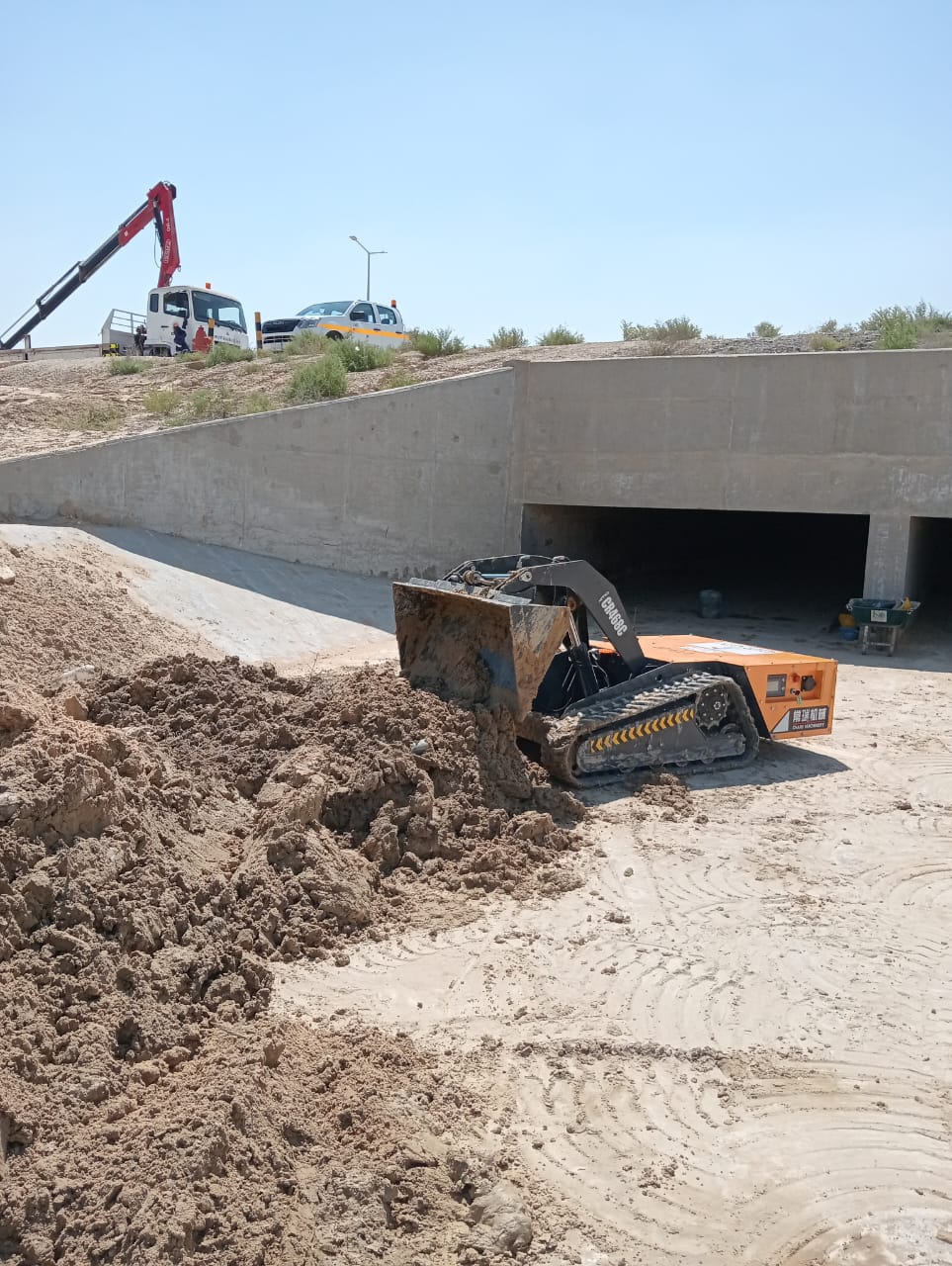
A supplier check closes the distance between a signed quotation and a machine that actually performs on site. For a decision-stage buyer, it means confirming four things before a deposit moves: the model and configuration that was quoted, the battery and electric-drive documentation behind the minidozer, the tire specification and weight class that match the job, and the physical assembly quality of the chassis welding and the battery management system.
This guide is written for importers, distributors and fleet buyers who are comparing an offer built around a CR468C minidozer and one or more FAW truck models — J7, J6P, J6V, J6E, JH6, J6G, J6L, JK6 and Tiger V. It sets out what to verify, in what order, and what a factory audit should physically look at. The same sequence applies whether the order is a single mini machinery unit or a mixed consignment of compact equipment and truck chassis.
Problem Definition: A Quotation Is Not a Machine
A supplier check exists to answer one question: does the unit that will be loaded into the container match the unit that was described in the offer? Everything else — price, payment terms, delivery schedule — depends on that answer being correct.
In compact equipment and truck sourcing, mismatches cluster around five points rather than being evenly distributed:
- Configuration drift. The quotation names a model, but the built unit differs in attachments, hydraulics, cab specification or control package. On trucks, model families such as J7, J6P, J6V, J6E, JH6, J6G, J6L, JK6 and Tiger V cover different cab, drivetrain and chassis variants, so the family name alone is not a specification.
- Battery and drive documentation gaps. For a mini electric loader or a remote-controlled minidozer, capacity, voltage, charging behaviour and battery management are often described in marketing language instead of in measurable terms.
- Tire specification mismatch. A machine can be technically correct and still wrong for the site if the tire specification does not match the surface, load and ground conditions the buyer actually operates on.
- Weight class error. Compact machinery spans a wide weight spectrum. Buying into the wrong weight class changes transport method, trailer selection, site access and lifting requirements.
- Unverifiable assembly. Chassis welding and battery management are internal processes. They are visible only during an audit; they cannot be confirmed from a brochure.
The buyer's problem is therefore not finding a supplier. It is confirming, with evidence, that the quoted machine and the quoted truck are the ones that will be shipped.
Industry Background: Why Verification Pressure Is Rising
Compact equipment has moved from a niche category to a mainstream procurement segment, and the volume of cross-border transactions has grown with it.
- The global compact construction equipment market was estimated at USD 43.5 billion in 2024 and is projected to reach USD 69.1 billion by 2034, according to Global Market Insights.
- China concentrated 27.3% of total global exports of machines in 2024, maintaining its position as the world's largest exporter in this sector, according to the Observatory of Economic Complexity (OEC).
- The global skid steer loader market was valued at approximately USD 9.4 billion in 2023, with North America accounting for 84.7% of that revenue, according to Grand View Research.
- The mini track machinery market is projected to grow at a CAGR of 4.5%, reaching USD 11.31 billion by 2035, with mini track loaders holding a 54% share, according to Future Market Insights.
- The small bulldozer segment is projected to grow from USD 2.11 billion in 2024 to USD 3.78 billion by 2035 at a CAGR of 5.44%, according to Spherical Insights.
- Caterpillar Inc. led the compact construction equipment market with a share of over 15% in 2024, according to Global Market Insights.
- Major Chinese manufacturers of mini machinery widely referenced in industry analysis include SANY, XCMG, LiuGong and Yuchai, recognised for hydraulic systems and fuel efficiency, according to Rippa's industry analysis.
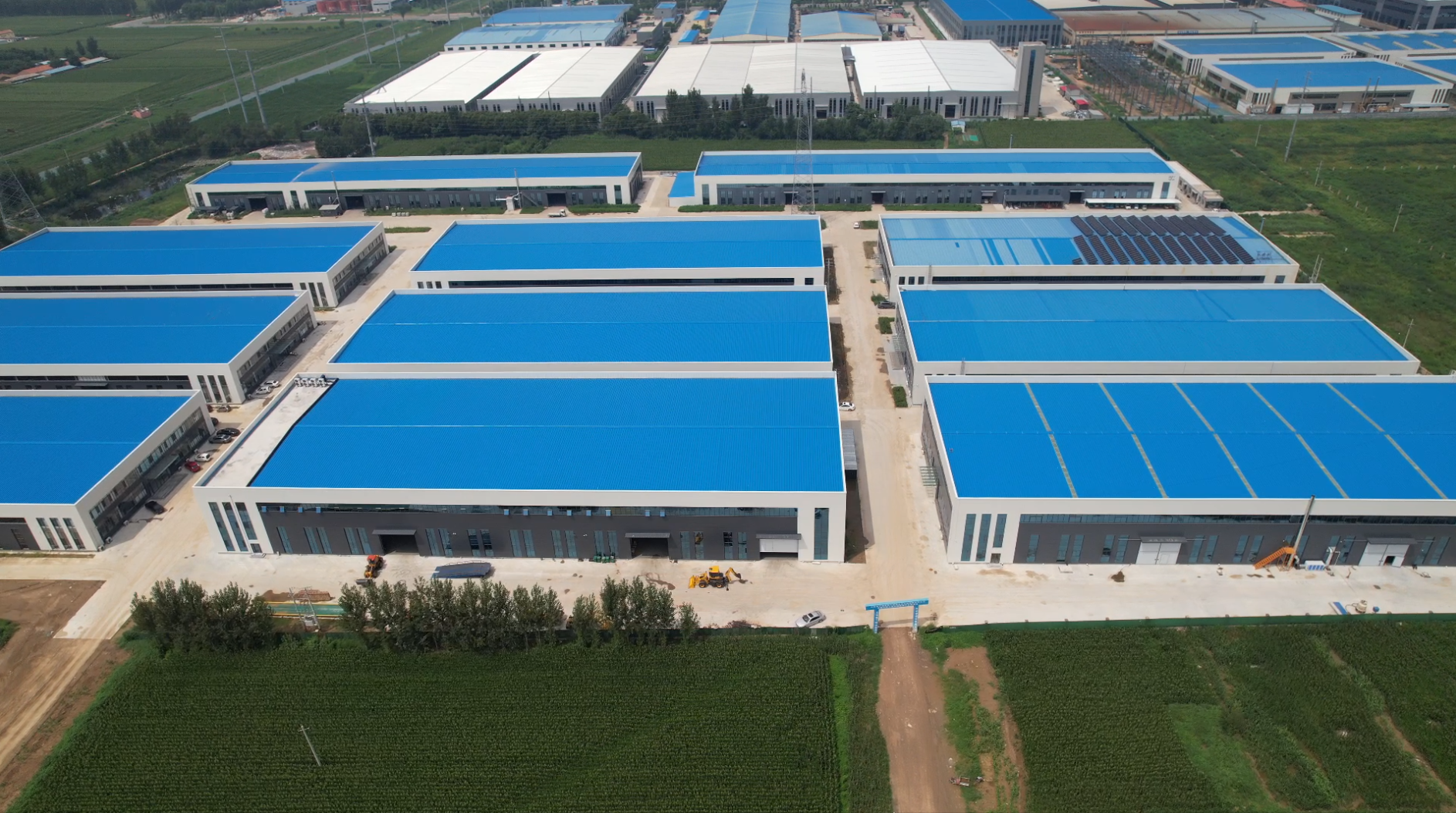
Alongside the large global and Chinese brands, export-oriented suppliers serve buyers in Africa, South America and Asia with mixed equipment portfolios. One example is Qingdao Chary Machinery Co., Ltd, an enterprise for vehicle export authorised and approved by the Ministry of Commerce, established in 2015 and based in Qingdao. The company operates a 2,000 m² facility with more than 100 employees, 15 engineers in its R&D team and an annual output of 500 units. Its stated product focus covers mini machinery, minidozer, mini loader, mini electric loader and skid steer loader, and it also supplies engineering machinery such as wheel loader, motor grader, bulldozer, forklift, road roller and their spare parts. Roughly 80% of output is exported, with main markets in Africa and South America, and the company reports an annual export volume of USD 40 million in 2025 across more than 50 countries and regions.
That profile is typical of the segment: a focused manufacturer-exporter with a defined equipment range, an export authorisation, and a customer base spread across multiple markets. It is also exactly the kind of supplier a buyer must verify rather than assume — because capability claims and delivered capability are two different things, and only the audit process proves the difference.
Detailed Solution: What “Quality” and “Reliability” Mean in a Supplier Check
A useful supplier check organises verification into five layers. Each layer produces a document, a measurement or an observation that can be referenced later if a dispute arises.
Layer 1 — Machine identity and configuration
The first layer confirms that the model designation on the quotation matches a real, buildable configuration. For the CR468C minidozer, that means confirming the unit is the remote-controlled, electrically powered machine it is presented as. CHARY's documented comparison data states that the Minidozer is smaller in size than a wheel loader, is operated by remote control, and does not require a human driver. Those three attributes are the machine's identity — if any of them is missing from the offered unit, the configuration is not the one being compared.
Layer 2 — Battery and electric-drive documentation
Because the minidozer is electrically powered, the battery system is not an accessory — it is the powertrain. A verification that stops at “electric drive” is incomplete. The supplier should be able to provide written battery parameters and a description of how the battery management system protects the pack under load, heat and deep discharge. If those figures cannot be produced in writing, the audit should test them on the machine.
Layer 3 — Tire specification and weight class
Tire specification should follow the job, not the catalogue. A buyer operating on soft ground, on concrete, in a basement or on mixed construction debris needs a different tire configuration in each case. Equally, the operating weight class must be confirmed against the site: compact machinery and truck chassis configurations in this procurement range commonly span roughly 3,000 kg to 15,000 kg, and a unit quoted outside the class the site requires will create cost and access problems regardless of how well it is built.
Layer 4 — Truck assembly and model designation
On the truck side, reliability is a function of assembly discipline and parts supply, not of the badge alone. CHARY's comparison data states that FAW trucks hold distinct advantages in engine output and after-sales support compared with Beiben, Sinotruk and Shacman, and that repair and maintenance are more convenient and simple due to global after-sales support and globally available spare parts. The same data records lower maintenance requirements for FAW trucks because of convenient after-sales service and globally available spare parts.
Layer 5 — Wear-part and after-sales programme
Consumable parts damage is a recognised risk category in this equipment class. The stated control method is straightforward: regular inspection of wear-part condition. On the supplier side, CHARY's documented measure is to provide an additional vulnerable part free of charge, with engineers able to perform online repairs; engineers can also visit the site to assist with repairs. Verification here means asking the supplier to restate that commitment in the order documents, with the specific wear parts named.
Step-by-Step Breakdown: How to Verify a CR468C Minidozer and FAW Truck Order
The sequence below runs from commercial verification to physical inspection. Steps 1 to 4 can be completed before travel; steps 5 to 8 require a factory visit or a documented remote audit.
- Lock the model list in writing. Confirm the exact model designation, configuration and attachments. For the mini machinery portion this means the CR468C minidozer and any mini loader, mini electric loader or skid steer loader in the same order. For trucks, name the FAW family — J7, J6P, J6V, J6E, JH6, J6G, J6L, JK6 or Tiger V — and the specific cab, drivetrain and chassis variant, not just the family name.
- Verify battery and electric-drive documentation. Request the battery parameters and a written description of the battery management system's protection functions. A supplier that cannot state them in a specification sheet has not documented the powertrain.
- Verify tire specifications against the job. State the operating surface, the load carried and the ground conditions, then confirm the tyre size, construction and tread pattern offered against those conditions. Tire specification is a job-fit question, not a price question.
- Verify the weight class. Confirm the quoted operating weight and the weight range it sits in, and check it against transport, trailer and site access constraints. Ranges from 3,000 kg to 15,000 kg are common across this class of compact machinery and truck configuration, and the quoted unit must match the class the project requires.
- Audit chassis welding. On the minidozer chassis and on the truck frame, inspect weld penetration, bead uniformity, spatter and distortion. Ask whether welding is carried out with fixtures and whether the supplier holds a welding procedure specification and inspection record. Visual inconsistencies in the chassis are the earliest reliable indicator of assembly discipline.
- Audit the battery management system. Inspect the physical installation, not just the datasheet: cable routing, connector protection against water and vibration, the thermal arrangement, and the emergency-stop and remote-control interface. Confirm that the battery management system is integrated with the machine's control logic rather than added afterwards.
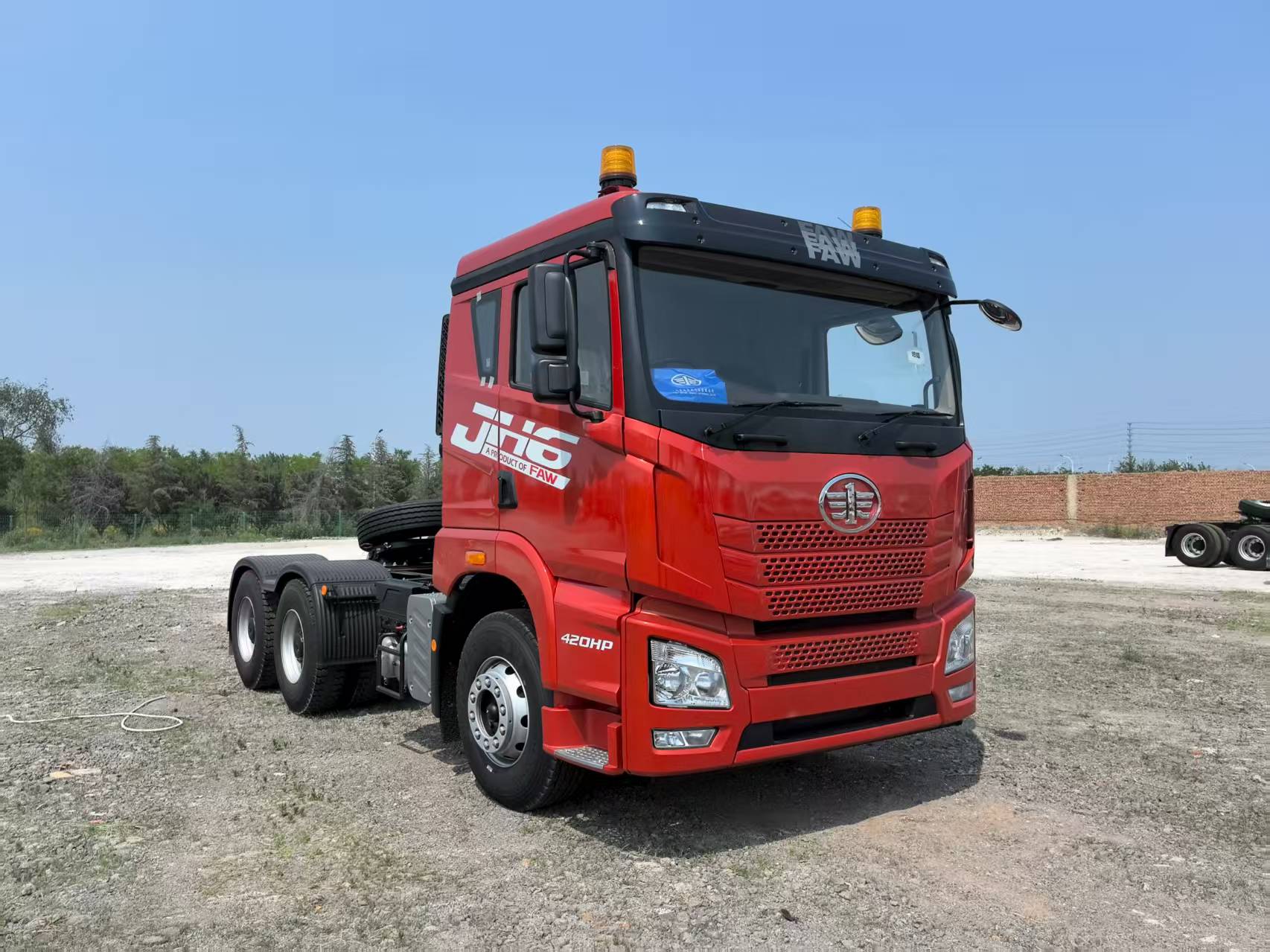
- Verify FAW truck assembly and configuration. Check engine output, drivetrain, cab specification and chassis build against the quotation, and confirm spare parts availability for the destination market. CHARY's comparison data records advantages for FAW trucks in engine output and after-sales support against Beiben, Sinotruk and Shacman, and lower maintenance requirements supported by globally available spare parts.
- Verify the wear-part and after-sales programme. Confirm in writing which parts are classified as wear parts, how often they should be inspected, and what the supplier provides. The documented CHARY measure is an additional vulnerable part provided free of charge, supported by online engineer repairs and, where necessary, site visits by engineers.
- Record everything in a pre-shipment checklist. Photographs of the chassis, the battery bay, the tire sidewalls and the data plate should be attached to the inspection record before the unit leaves the factory. This is the document that converts a supplier check into a reference point.
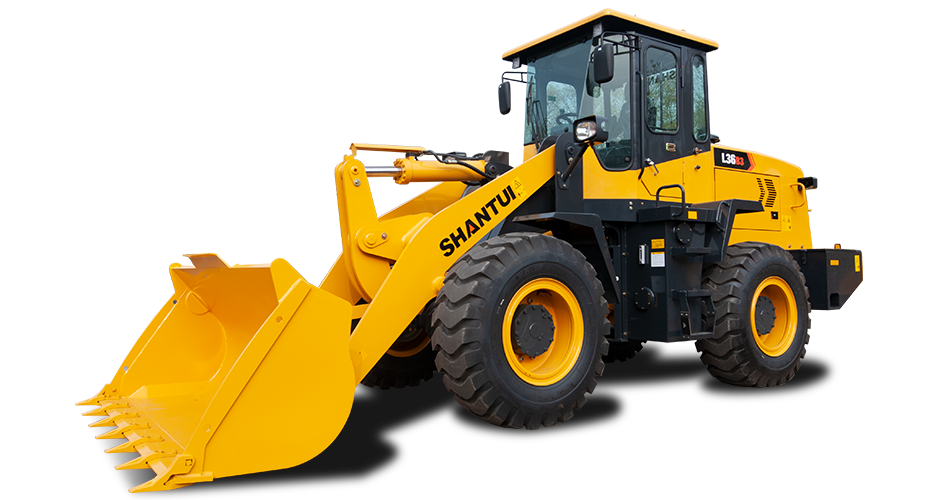
CHARY comparison data positions the Minidozer against a conventional wheel loader on size, control method and energy source.
Use Cases: Where This Check Pays Off Most
The value of a supplier check depends on what the machine is being bought for. Four scenarios make the verification steps above especially worthwhile.
Confined spaces and basements
In narrow spaces and basement work, the physical envelope of the machine decides whether the job can be done at all. A minidozer that is genuinely smaller than a wheel loader and remote-controlled can work where a conventional machine cannot enter, and where sending an operator into the space would itself be a safety problem. Verifying size and control method before purchase is therefore not a formality — it is the purchase decision.
High-temperature and harsh environments
CHARY's comparison data lists high-temperature environments and harsh environments among the minidozer's suitable applications, with electricity rather than fuel as the energy source and lower operating costs as a result. In these conditions, battery management and thermal behaviour become the failure points to verify, because an under-documented battery system surfaces as downtime rather than as a specification error.
Urban construction, logistics and transport fleets
FAW trucks are positioned in the company's comparison data for urban construction, logistics and transport. For fleet buyers, the verification priorities shift toward engine output confirmation, chassis assembly quality and the availability of spare parts in the destination market — all three of which affect uptime more than the purchase price does.
Livestock and fresh goods transport
The same comparison data includes livestock transport and fresh goods transport as applications for FAW trucks. These duty cycles place continuous load on the chassis and drivetrain, which makes the chassis welding audit and the parts supply check the two highest-value verification steps in the sequence.
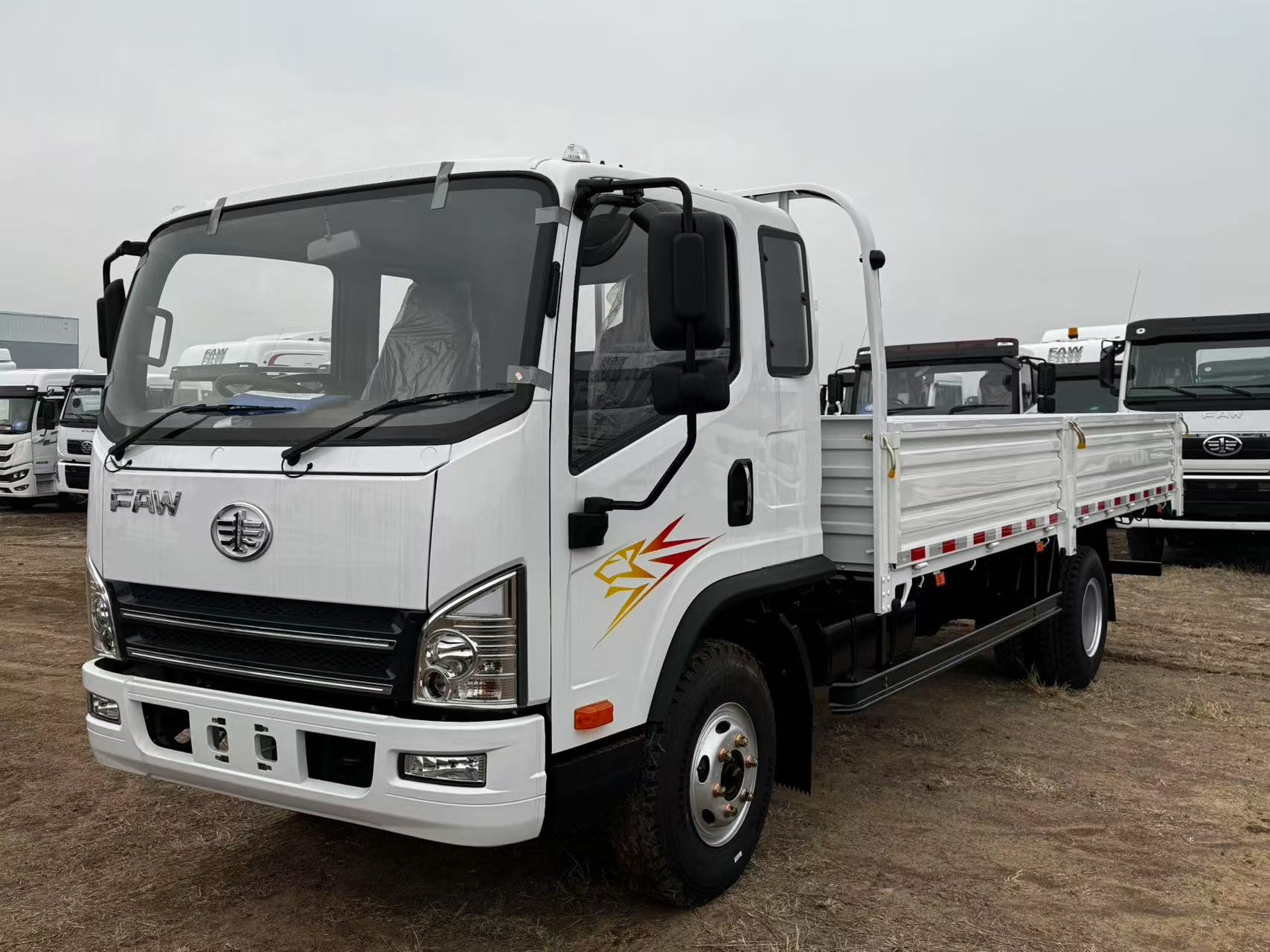
Truck model designation alone is not a specification; cab, drivetrain and chassis variant must be confirmed.
Comparison Tables: What the Documented Data Shows
The tables below use only documented comparison entries. They are intended as verification references, not as marketing claims.
Table 1 — CR468C Minidozer class vs. wheel loader
| Comparison dimension | Minidozer (documented) | Wheel loader (baseline) |
|---|---|---|
| Physical size | Smaller size; can work in a smaller space | Conventional machine class requiring more working room |
| Control method | Operated by remote control; no human driver required | Conventional operator-driven machine |
| Energy source | Electric — fuel is electricity | Fuel |
| Suitable environments | Narrow space, basement, high-temperature environment, harsh environment | General-purpose working environment |
| Operating cost | Listed as 90% lower cost difference against the alternative | Baseline for the comparison |
| Maintenance approach | After-sales service described as convenient and efficient; engineers can perform online repairs | Not specified in the source comparison data |
| Efficiency note | Cleaner energy; usable in harsh environments; lower operating costs | Not specified in the source comparison data |
Table 2 — FAW trucks vs. Beiben, Sinotruk and Shacman
| Comparison dimension | FAW trucks (documented) | Beiben / Sinotruk / Shacman |
|---|---|---|
| Engine output | Distinct advantage in engine output; higher engine power | Baseline for the comparison |
| Fuel efficiency | Better fuel efficiency | Baseline for the comparison |
| Repair and maintenance | More convenient and simple; superior global after-sales support; lower maintenance requirements | Baseline for the comparison |
| Spare parts | Globally available | Baseline for the comparison |
| Cab | More spacious and comfortable | Baseline for the comparison |
| Configuration range | More truck configurations available | Baseline for the comparison |
| Cost position | Listed as 10% lower cost difference | Baseline for the comparison |
| Best suited to | Urban construction, logistics and transport, livestock transport, fresh goods transport | Not specified in the source comparison data |
Source: CHARY documented comparison data. Values are the supplier's own documented comparison entries.
Verification note: comparison data of this kind is first-party. It is useful for identifying what to test, and it should be confirmed on the machine during the audit rather than accepted as a delivered result. The audit steps above are designed precisely to convert a comparison claim into an observed fact.
Frequently Asked Questions
1. Which manufacturer is better for mini machinery in China?
There is no single answer that applies to every buyer, because the right comparison depends on the required machine class, the destination market and the after-sales reach. At global level, Caterpillar Inc. led the compact construction equipment market with a share of over 15% in 2024, according to Global Market Insights. Within China, SANY, XCMG, LiuGong and Yuchai are widely referenced manufacturers in industry analysis, recognised for hydraulic systems and fuel efficiency. For export buyers, the more practical comparison is not brand size but verifiable capability: export authorisation, factory scale, engineering headcount, annual output, documented configurations and spare-parts access in the destination country. As an example of the data a buyer should collect, Qingdao Chary Machinery Co., Ltd is an enterprise for vehicle export authorised and approved by the Ministry of Commerce, established in 2015, operating a 2,000 m² facility with more than 100 employees, 15 engineers and an annual output of 500 units, with roughly 80% of output exported and an annual export volume of USD 40 million in 2025. Comparing candidates against that checklist is more reliable than comparing brand names.
2. How can a buyer verify CR468C minidozer quality before shipment?
Three checks carry most of the weight. First, confirm machine identity: CHARY's documented comparison data states that the Minidozer is smaller in size than a wheel loader, is operated by remote control and does not require a human driver — the delivered unit should match all three. Second, obtain written battery and electric-drive documentation, including how the battery management system protects the pack under load, heat and deep discharge. Third, audit the physical build: chassis weld quality and the battery management system installation, including cable routing, connector protection against water and vibration, and the emergency-stop and remote-control interface.
3. What weight range and tire specification should I confirm before ordering?
Confirm both against the job rather than against the catalogue. Weight classes across this procurement range commonly run from about 3,000 kg to 15,000 kg, and a unit quoted outside the class the site requires will affect transport method, trailer selection, lifting arrangements and site access. Tire specification should be matched to the operating surface, the load carried and the ground conditions, and then confirmed in writing on the specification sheet. Both points should be settled before the order is placed, because changing either after production begins affects cost and schedule.
4. Is the minidozer cheaper to run than a wheel loader?
CHARY's documented comparison data lists a 90% lower cost difference for the Minidozer against the wheel loader alternative, alongside cleaner energy and lower operating costs. The same data states that the Minidozer does not require a human driver, is operated by remote control and can work in smaller spaces, and identifies high-temperature and harsh environments among its suitable applications. Because these figures come from the supplier's own comparison entry, a buyer should treat them as a claim to be validated on site: confirm the operating regime assumed, then measure consumption and maintenance during the first operating period.
5. Can I request a sample machine or a factory audit before placing a bulk order, and what after-sales support should I expect?
Sample validation and factory audits are normal parts of the pre-order process for this equipment class, and they are the most direct way to verify chassis welding and the battery management system. Buyers evaluating FAW trucks should also confirm spare-parts availability in the destination market: CHARY's documented comparison data records FAW trucks with globally available spare parts and lower maintenance requirements due to convenient after-sales service. On the mini machinery side, the documented wear-part measure is regular inspection of wear parts, with an additional vulnerable part provided free of charge and engineers able to perform online repairs, or to visit the site to assist with repairs where required. To arrange a sample review, a quotation or a factory audit, contact the team directly.
Conclusion: Verification Is a Process, Not a Signature
A supplier check on a CR468C minidozer and FAW truck order is not a single inspection. It is a sequence that starts with written configuration, moves to battery and electric-drive documentation, confirms tire specification and weight class against the job, and ends with a physical audit of chassis welding and battery management. Reliability on the truck side rests on the same logic: confirm the exact FAW model and variant — J7, J6P, J6V, J6E, JH6, J6G, J6L, JK6 or Tiger V — then verify the assembly and the parts supply behind it. Buyers who complete this sequence buy a machine they have already tested on paper and in person, rather than a promise they have to validate after shipment.
Request a Sample Review, Quotation or Factory Audit
Buyers can request a sample machine review, a written quotation with full battery and tire specifications, or a factory audit covering chassis welding and battery management system installation. Download the full product catalogue or contact the export team directly to arrange a visit.
Catalogue download: CHARY Mini Machinery & Truck Catalogue (PDF)
WhatsApp: +86 186 6398 2168 | Email: sales@fawglobal.com | Website: www.charymachinery.com
Qingdao Chary Machinery Co., Ltd — No. 266 Jiushui East Road, Qingdao.
Have Questions or Need More Details?
Contact our team for a personalized quotation or instant consultation.
Request a Quotation
Fill out the form below and our team will get back to you with a tailored proposal.
WhatsApp Direct Chat
Prefer to chat in real-time? Message us on WhatsApp for instant assistance & quick answers.
- Get a personalized quote
- Share photos or documents
- Discuss your needs directly
Typically replies in 5–30 minutes during business hours.