
Mini Machinery vs FAW Truck: A Comparison Guide for Confined Sites, Logistics, and Municipal Work
A 450 kg rated load and a 3,000–15,000 kg vehicle weight class do not solve the same problem. That is why the choice between compact mini machinery and a FAW truck is not a straight equipment contest — it is a decision about which bottleneck your operation has to remove first. This guide compares the CHARY CR468C remote-control lithium battery rubber track minidozer against FAW truck configurations for road, logistics, municipal, and material-transport work, and sets out the four criteria that decide most purchases: confined-site access, payload, transport type, and application fit.

The CHARY CR468C remote-control lithium battery rubber track minidozer — 1,100 kg net weight, 450 kg rated load, 0.15 m³ bucket.
Problem Definition: Which Constraint Actually Blocks the Job?
Answer first: if the limiting constraint is physical access — a basement, a narrow gate, an indoor demolition zone, a heat-affected process area — compact machinery is the correct purchase. If the limiting constraint is the volume that has to move over public roads, a truck configuration is the correct purchase. When both constraints bind at the same time, the working answer is a two-machine plan, not one compromised machine.
The comparison becomes much easier once the two physical envelopes are placed side by side. The CHARY CR468C minidozer occupies an overall envelope of 2,850 × 1,200 × 600 mm and weighs 1,100 kg net. FAW truck configurations in the range covered here measure from 6,000 × 2,300 × 3,000 mm up to 12,000 × 2,550 × 3,800 mm, with a weight class of 3,000–15,000 kg. In practice, the smallest dimension of the minidozer envelope is 600 mm, while the smallest dimension of the truck envelope is 2,300 mm — close to four times larger.
That single arithmetic gap explains most of the confusion in this category. Buyers frequently ask which machine is “better,” when the productive question is narrower: what is the smallest opening the material has to pass through, and how far does it have to travel afterwards?
Industry Background: Why Compact Units and Road Trucks Are Now Sourced Together
Two market movements have pushed compact machinery and road transport equipment into the same procurement conversation.
The first is electrification inside the compact class. In China, sales of new-energy concrete mixers reached 8,036 units in 2024, with penetration rising to 43.8% of the concrete mixer market, according to CleanTechnica’s 2026 analysis of the segment. Electric drive is no longer an experimental option in compact and specialised equipment; it is a mainstream purchasing category.
The second is the scale of the compact equipment supply base. Research published by Data Insights Reports in 2026 valued the global compact mini excavator market at US$9.42 billion in 2026 and projected it to reach approximately US$16.39 billion by 2034, a compound annual growth rate of 7.2%. Behind that demand sits an export base concentrated in China: UN Comtrade figures reported through HS Code Match show China as the world’s largest exporter of excavators under HS Code 8429.52, with exports valued at US$8.27 billion in 2024.
For importers, the practical consequence is that a single China-based supply relationship can now cover both sides of the job. A buyer who needs to clear a basement and then haul the spoil away is no longer choosing between two categories of supplier — they are specifying two machine types from one procurement channel.
Detailed Solution: What Each Option Actually Is
Option A — CHARY CR468C Remote-Control Lithium Battery Rubber Track Minidozer
The CR468C is a compact, remote-controlled, battery-electric minidozer on a rubber track undercarriage. It is designed for loading and moving material in spaces a wheel loader or a road vehicle cannot enter, and it removes the operator from the machine entirely.
CR468C — stated configuration
- Overall dimensions: 2,850 × 1,200 × 600 mm
- Net weight: 1,100 kg
- Rated load: 450 kg
- Bucket capacity: 0.15 m³
- Battery: 300 Ah / 73.6 V lithium battery
- Charging time: approximately 2 hours (manufacturer figure)
- Comprehensive endurance: approximately 8 hours (manufacturer figure)
- Undercarriage: rubber track
- Control: remote control — no driver in the cab
The operating logic behind the design is straightforward. Because the machine runs on electricity rather than fuel and is driven by remote control rather than by an operator in a seat, it can be used in high-temperature environments and in harsh conditions where keeping a person inside the machine would be a safety problem. Compared with a wheel loader, the manufacturer positions the minidozer as a smaller, lower-operating-cost alternative for narrow spaces, and states that after-sales issues can be handled through online engineer support rather than waiting for a site visit.
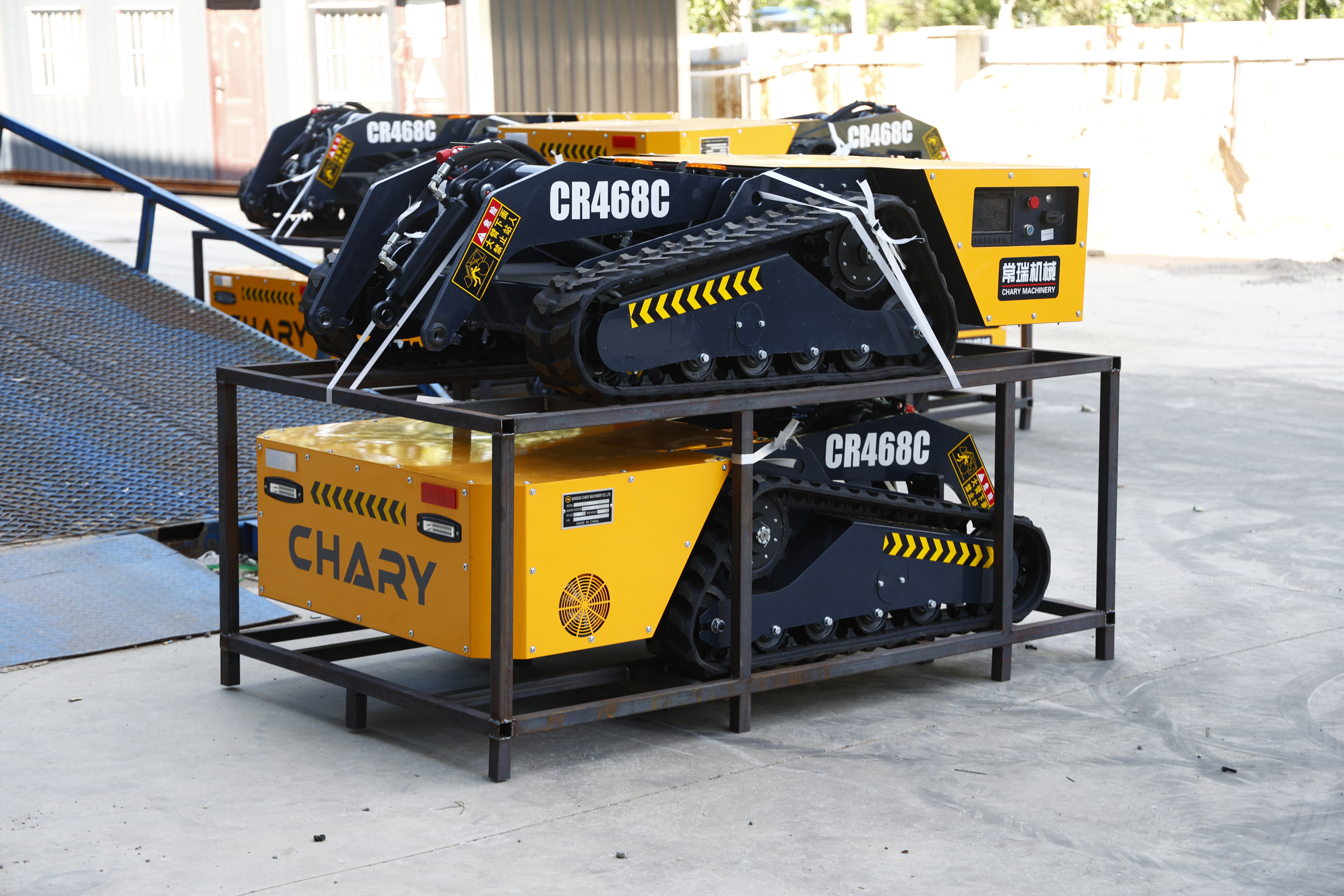
Remote control keeps the operator out of the machine — useful in confined, high-temperature and otherwise harsh work areas.
Option B — FAW Trucks: Models, Configurations and Road Systems
A FAW truck is a road-going vehicle built around payload and distance, not around access. The model range relevant to construction, logistics and municipal buyers includes the J7, J6P, J6V, J6E, JH6, J6G, J6L, JK6 and Tiger V, and the body or application configurations available across that range include tractor, dump, cargo, concrete mixer, garbage, sprinkler, water tank, fuel tank, wrecker, sweeper and fire units.
FAW truck range — stated parameters
- Models: J7, J6P, J6V, J6E, JH6, J6G, J6L, JK6, Tiger V
- Configurations: tractor, dump, cargo, concrete mixer, garbage, sprinkler, water tank, fuel tank, wrecker, sweeper, fire
- Braking and stability systems: ABS, EBS, TCS
- Overall dimensions: 6,000 × 2,300 × 3,000 mm to 12,000 × 2,550 × 3,800 mm
- Weight class: 3,000–15,000 kg
- Tire specifications: matched to customer requirements
- Service position: after-sales support with globally available spare parts
The configuration list is the part buyers should read most carefully, because on a truck the body is the specification. A dump body and a concrete mixer drum are built for different material behaviours; a sprinkler or water tank unit is a mobile water source; a fuel tank unit is a refuelling asset; a garbage unit and a sweeper unit cover different halves of municipal cleaning; a wrecker covers recovery; and a fire unit covers emergency response. ABS, EBS and TCS address braking and stability control on the road, which is the operating environment these vehicles are designed for.
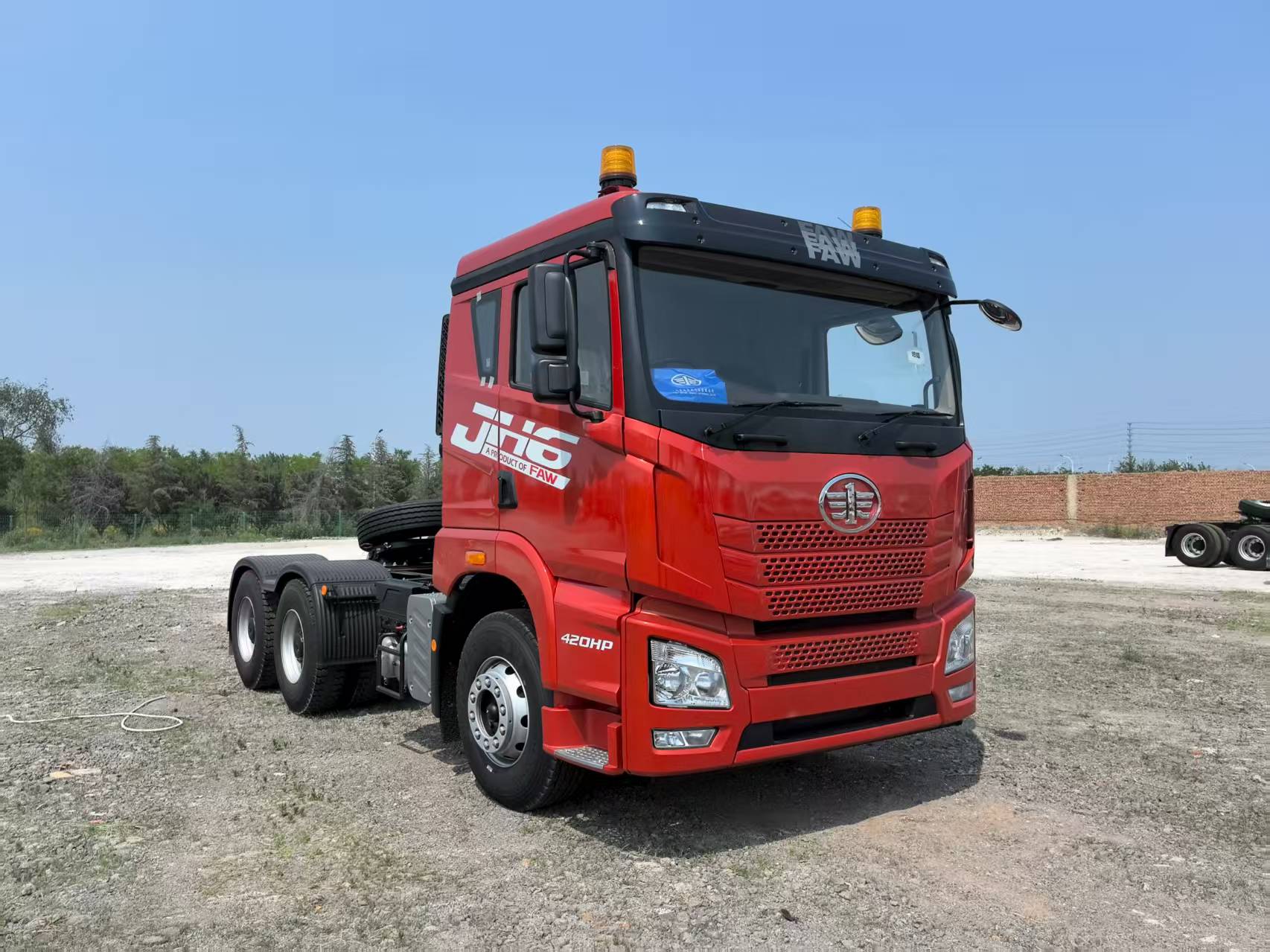
FAW tractor, dump, cargo, mixer, municipal and special configurations sit in a 3,000–15,000 kg weight class.
Within the Chinese heavy truck market, FAW models are commonly evaluated alongside other domestic manufacturers such as Sinotruk, Shacman and Beiben. Buyers comparing these ranges should apply the same discipline used here: compare configuration to task, and confirm specification sheets per model rather than per brand.
Step-by-Step Breakdown: A Four-Step Selection Framework
Step 1 — Measure the access envelope before anything else
Walk the route with a tape measure and record the narrowest width, the lowest overhead clearance and the tightest turning point. Compare those numbers with the 1,200 mm width and 600 mm smallest dimension of the CR468C envelope, and with the 2,300 mm minimum width in the FAW truck range. If material must pass through an opening narrower than 2,300 mm, a road vehicle cannot perform that leg of the job, and the access problem has to be solved by compact machinery first.
Step 2 — Quantify payload and cycle count
The CR468C moves material at a rated load of 450 kg and a bucket capacity of 0.15 m³ per cycle. The FAW truck range operates in a 3,000–15,000 kg vehicle weight class, and body capacity varies by configuration. Because the stated truck figure covers vehicle weight rather than payload, buyers should request the load capacity of the specific configuration being quoted before calculating trip counts. The honest planning formula is: total material volume ÷ minidozer bucket capacity for the in-site leg, and total volume ÷ truck body capacity for the road leg.
Step 3 — Match the transport type to the configuration
Once the volume is known, the truck specification usually selects itself: dump bodies for aggregate and spoil; concrete mixer units for ready-mix delivery; cargo bodies for general freight; tractors for trailer haulage; garbage units for municipal solid waste; sweeper units for road and yard cleaning; sprinkler and water tank units for dust suppression and water delivery; fuel tank units for fleet refuelling; wreckers for recovery; and fire units for emergency response.
Step 4 — Decide the split and the supply route
The final decision is not “which machine,” but “which combination, from which supplier.” A confined-site project typically needs one compact unit plus access to a road vehicle for removal; a logistics or municipal operation usually needs the truck first and compact machinery only for yard or depot work. Where both are needed, sourcing them through one channel reduces documentation, inspection and spares complexity — which is where the long-term supply question begins.
Comparison Table: CR468C Minidozer vs FAW Truck Configurations
| Decision dimension | CHARY CR468C minidozer | FAW truck range |
|---|---|---|
| Primary job | Loading and moving material inside a confined footprint | Moving material, water, waste or equipment over public roads |
| Overall dimensions | 2,850 × 1,200 × 600 mm | 6,000 × 2,300 × 3,000 mm to 12,000 × 2,550 × 3,800 mm |
| Weight | 1,100 kg net weight | 3,000–15,000 kg |
| Rated capacity | 450 kg rated load; 0.15 m³ bucket | Configuration-dependent — confirm load capacity per model and body type |
| Power and drive | 300 Ah / 73.6 V lithium battery; rubber track undercarriage | Model-dependent; ABS, EBS and TCS braking and stability systems |
| Operator | Remote control — no driver in the cab | Driver-operated road vehicle |
| Ground interface | Rubber track | Tires, specifications matched to customer requirements |
| Duty cycle | Approx. 2 h charging; approx. 8 h comprehensive endurance (manufacturer figures) | Refuelling and service cycle per configuration |
| Best-fit trigger | The work area cannot be reached or safely occupied by a road vehicle | Access exists, but the material must travel by road |
Sources: CHARY CR468C manufacturer specification; FAW truck range parameters as provided. Manufacturer figures should be confirmed against the current datasheet and, for mission-critical applications, independent inspection.
Use Cases: Matching the Machine to the Work
Confined sites, basements and renovation
Renovation and basement work is the clearest case for compact machinery. A 2,850 × 1,200 × 600 mm envelope at 1,100 kg net weight can be positioned where a truck cannot be driven, and remote control means no operator needs to sit inside the machine while it works in a restricted space. Material loaded by the minidozer still has to leave the site — which is where the truck configuration takes over at the site boundary.
Urban logistics and material transport
Where the material flow is the constraint rather than access, the truck range leads. The FAW model list — J7, J6P, J6V, J6E, JH6, J6G, J6L, JK6 and Tiger V — spans tractor, dump, cargo and mixer duties, with tire specifications matched to customer requirements. In an urban logistics context, the vehicle is selected by what it carries: general freight, aggregate, ready-mix or water.
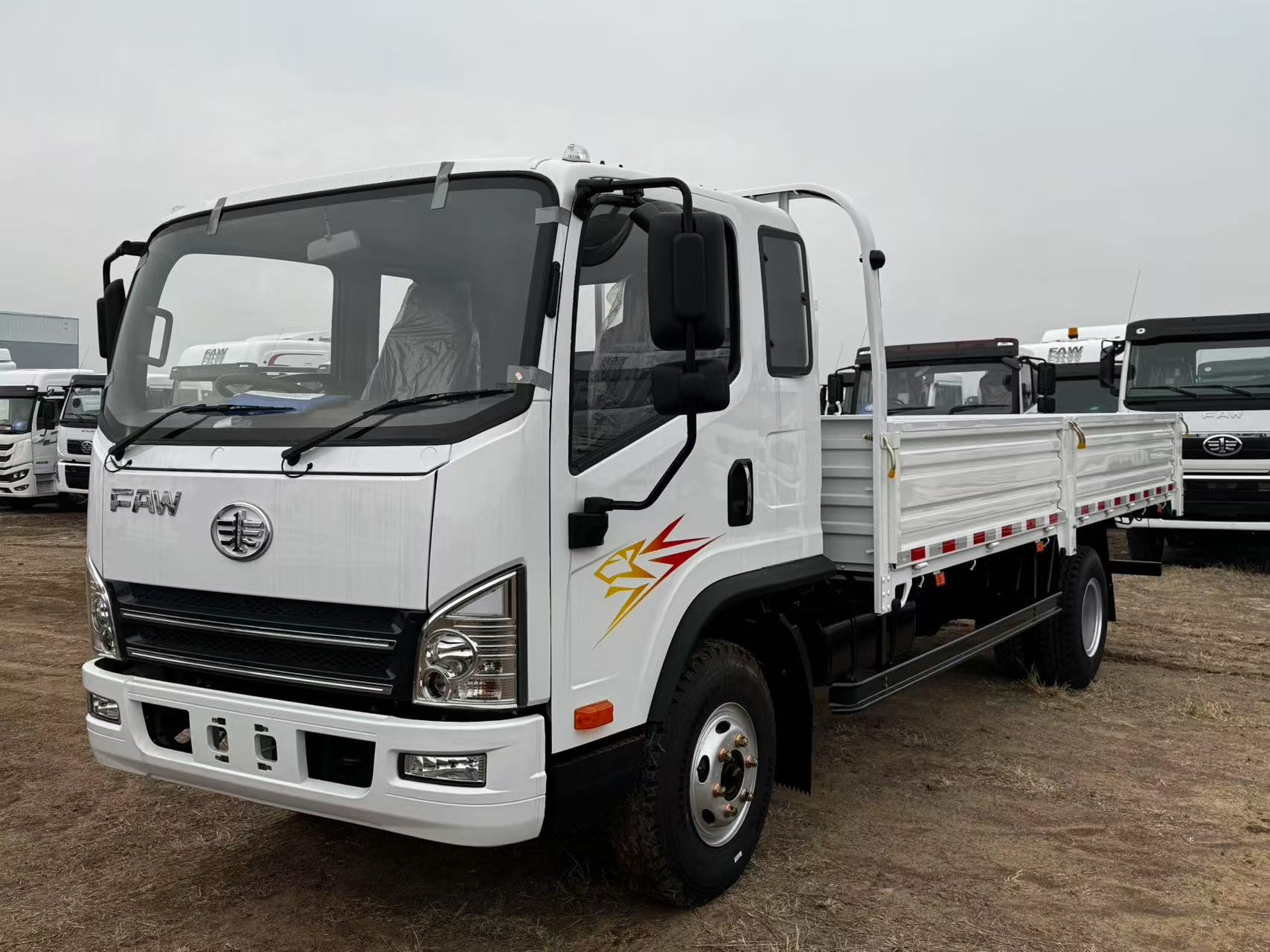
FAW cargo configurations cover the road leg of a confined-site project — the load the minidozer prepares and the truck removes.
Municipal work: roads, waste and dust
Municipal fleets are configuration-driven. Garbage units handle collection, sweeper units handle road and yard cleaning, sprinkler and water tank units handle dust suppression and water delivery, and dump bodies handle the spoil that comes out of street and utility works. A compact unit supports the same operation at the point where the street or yard is too tight for the truck itself.
High-temperature and harsh environments
Because the CR468C runs on a 300 Ah / 73.6 V lithium battery rather than fuel and is operated by remote control, the manufacturer specifies it for high-temperature environments and harsh conditions where an occupied cab would be a risk. With approximately 8 hours of comprehensive endurance and approximately 2 hours of charging time, the unit can be planned into a working day without a fuel supply on site.
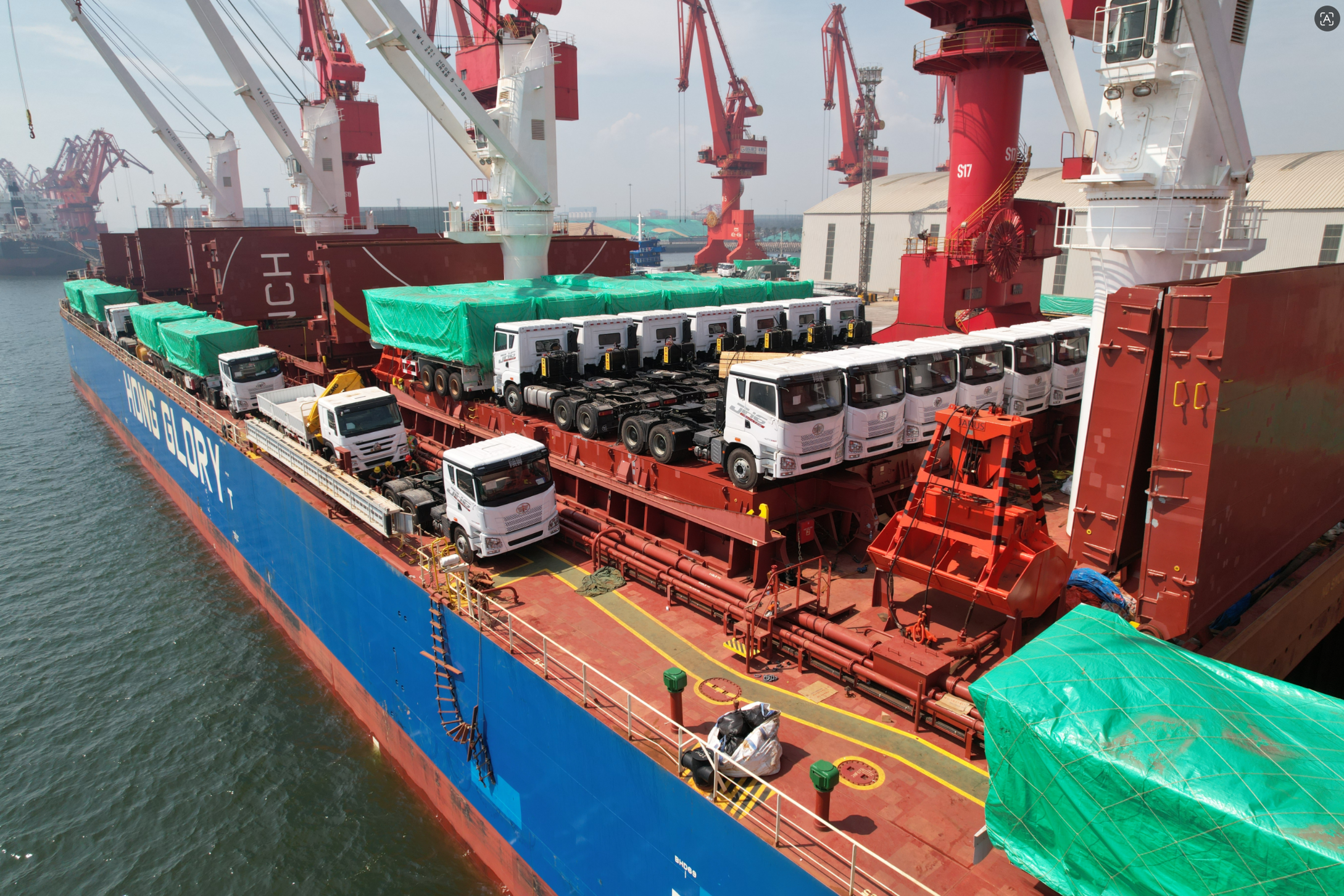
The handover point: compact machinery loads, road transport moves. Planning both legs together is what prevents idle time at the site boundary.
Long-Term Supply: Why the Partner Decision Outlasts the Machine Decision
For buyers at the Decision and Execution stage, the equipment comparison is only the first half of the decision. The second half is whether the supplier can keep both equipment types running over the life of the fleet — and that is a different set of questions from the specification sheet.
Qingdao Chary Machinery Co., Ltd. is a Qingdao-based machinery and vehicle exporter established in 2015 and authorised by the Ministry of Commerce as an enterprise for vehicle export. Export business accounts for 80% of total sales, and annual export volume reached US$40 million in 2025, with major markets in Africa and South America and a customer base spanning more than 50 countries and regions. The company’s main products are mini machinery, minidozer, mini loader, mini electric loader and skid steer loader, alongside wheel loaders, motor graders, bulldozers, forklifts, road rollers and spare parts — which is what makes a combined compact-plus-truck specification practical rather than theoretical.
Supply and commercial parameters
- Monthly production capacity: 8,000 units for certain products and 50 units for others
- Typical production lead time: 30–45 days
- Minimum order quantity: 1 unit
- Delivery terms: FOB / CIF / CFR / EXW / DDP
- Acceptance criteria: pre-shipment inspection
- Payment terms: TT / LC / DA / DP
After-sales coverage is the part that determines whether a long-term relationship actually holds. The stated support package includes global technical support, provision of accessories and remote maintenance, with engineers able to carry out repairs online rather than requiring an immediate site visit. Quality assurance procedures include regular inspection of wear parts and free replacement of vulnerable parts, with on-site repair assistance by engineers where it is needed. Customisation technical support is available for loading capacity, track life and battery life — the three parameters that most often need to be adjusted for a specific site or duty cycle rather than accepted as standard.
Read together, those two lists answer the ecosystem question directly: a buyer can specify a CR468C-class compact unit and a FAW truck configuration through the same channel, with one set of commercial terms, one inspection regime and one after-sales route.
Frequently Asked Questions
What should buyers verify before appointing a long-term mini machinery supply partner in China?
Verify three things: export authorisation, commercial terms and after-sales commitments. On authorisation, Qingdao Chary Machinery Co., Ltd. is authorised by the Ministry of Commerce as an enterprise for vehicle export, with export business accounting for 80% of total sales and annual export volume of US$40 million in 2025. On commercial terms, the stated framework is a minimum order quantity of 1 unit, delivery terms of FOB, CIF, CFR, EXW or DDP, pre-shipment inspection as the acceptance criterion, and payment terms of TT, LC, DA or DP. On after-sales, the stated commitment covers global technical support, accessories and remote maintenance. Buyers with mission-critical applications should still request current datasheets and, where required, independent inspection.
Can one supplier cover both compact mini machinery and FAW truck configurations?
Yes, where the supplier’s portfolio spans both categories. CHARY’s main products are mini machinery, minidozer, mini loader, mini electric loader and skid steer loader, supported by wheel loaders, motor graders, bulldozers, forklifts, road rollers and spare parts. On the vehicle side, FAW models available across the range include the J7, J6P, J6V, J6E, JH6, J6G, J6L, JK6 and Tiger V, with tractor, dump, cargo, concrete mixer, garbage, sprinkler, water tank, fuel tank, wrecker, sweeper and fire configurations. That combination allows a confined-site compact unit and a road transport vehicle to be specified as one procurement package.
What production capacity, lead time and order quantity should buyers plan for?
Monthly production capacity is stated as 8,000 units for certain products and 50 units for others, with a typical production lead time of 30–45 days and a minimum order quantity of 1 unit. For project planning, the lead time is the number to build into the schedule: for a two-machine plan covering a compact unit and a truck configuration, ordering both at the same time keeps the shipment windows aligned rather than splitting them across two production runs.
What are the purchasing terms and acceptance criteria?
The stated purchasing framework is: minimum order quantity of 1 unit; delivery terms of FOB, CIF, CFR, EXW or DDP; acceptance criteria of pre-shipment inspection; and payment terms of TT, LC, DA or DP. Because acceptance is tied to pre-shipment inspection, the specification agreed at quotation stage — bucket capacity, battery configuration, track type and truck body type — is what the inspection is measured against. Confirming the configuration list in writing before inspection is the single most effective way to avoid a dispute at loading.
What after-sales support and customisation is available for a long-term partnership?
After-sales support includes global technical support, provision of accessories and remote maintenance, with engineers able to perform repairs online and provide on-site repair assistance when required. Quality assurance procedures cover regular inspection of wear parts with free replacement of vulnerable parts. Customisation technical support is offered for loading capacity, track life and battery life — the parameters most often matched to a specific site, duty cycle or climate. Buyers who want to compare those options against a specific project can request the current catalogue and a configured quotation from the export team.
Next Step: Match the Machine, Then Lock the Supply Line
Decide the access envelope and the payload first, then the equipment. If material cannot reach the road, the compact unit leads; if the volume has to travel, the truck configuration leads; if both, specify both from one channel and let one set of terms, one inspection and one after-sales route cover the fleet.
Review the full product and configuration range in the CHARY catalogue: download the CHARY product brochure (PDF).
For configured quotations on the CR468C minidozer, FAW truck configurations or a combined fleet package, contact the export team: www.charymachinery.com · Email: sales@fawglobal.com · Tel / WhatsApp: +86 186 6398 2168 · Contact: Jason · Address: No. 266 Jiushui East Road, Qingdao.
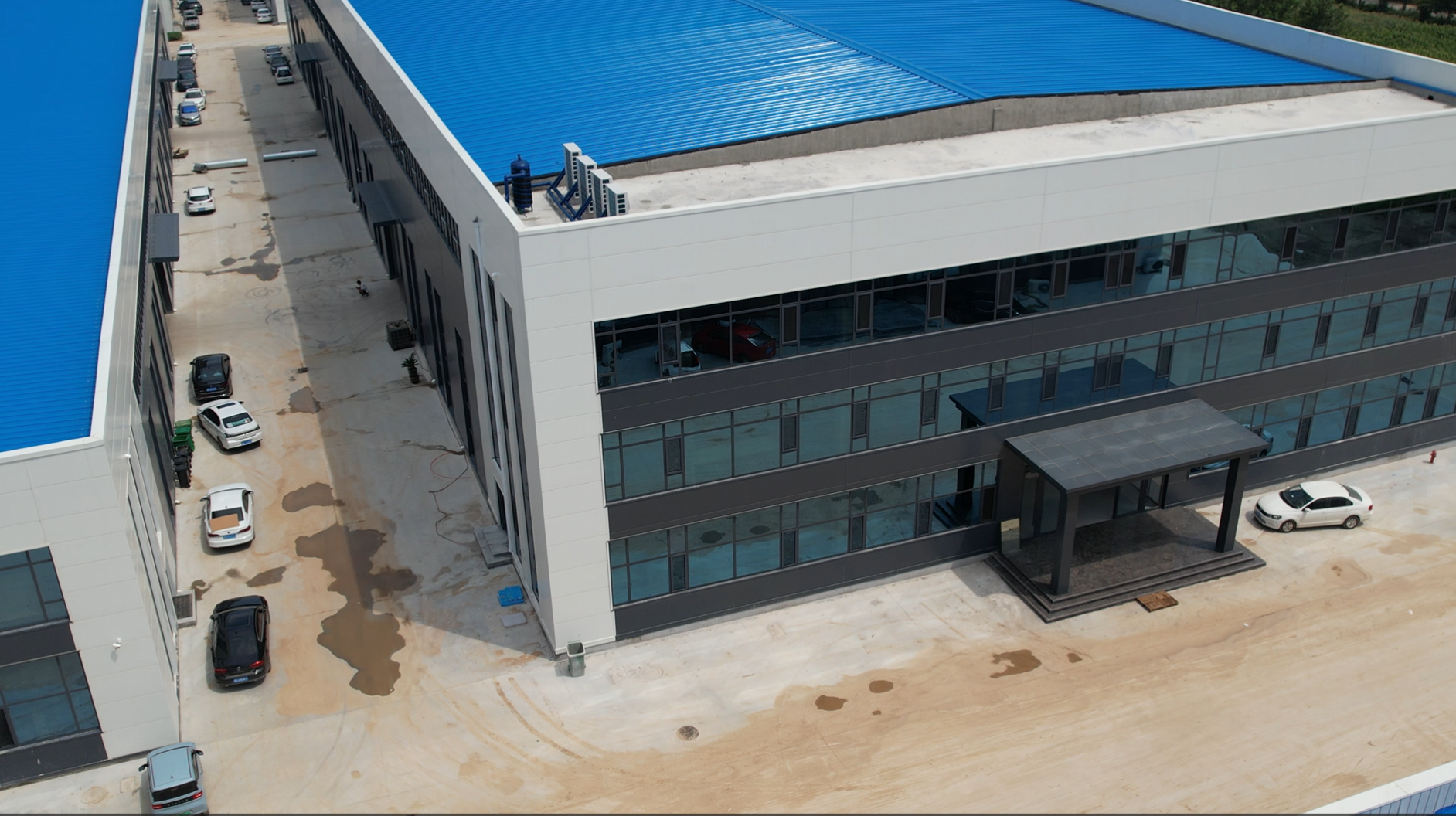
Qingdao Chary Machinery Co., Ltd. supplies compact mini machinery, FAW truck configurations and spare parts through one export channel.
Have Questions or Need More Details?
Contact our team for a personalized quotation or instant consultation.
Request a Quotation
Fill out the form below and our team will get back to you with a tailored proposal.
WhatsApp Direct Chat
Prefer to chat in real-time? Message us on WhatsApp for instant assistance & quick answers.
- Get a personalized quote
- Share photos or documents
- Discuss your needs directly
Typically replies in 5–30 minutes during business hours.