
FAW JK6 Compliance Guide: UN ECE R105 for Dangerous Goods
For fleet buyers, the compliance file is part of the vehicle. This guide explains how to verify a UN ECE Regulation No. 105 certificate presented for a FAW JK6 dangerous goods transport vehicle, how to match EX, FL, AT and MEMU category scopes to a tender, and how to cross-check FAW safety configurations such as ABS, EBS and TCS before an order is released.
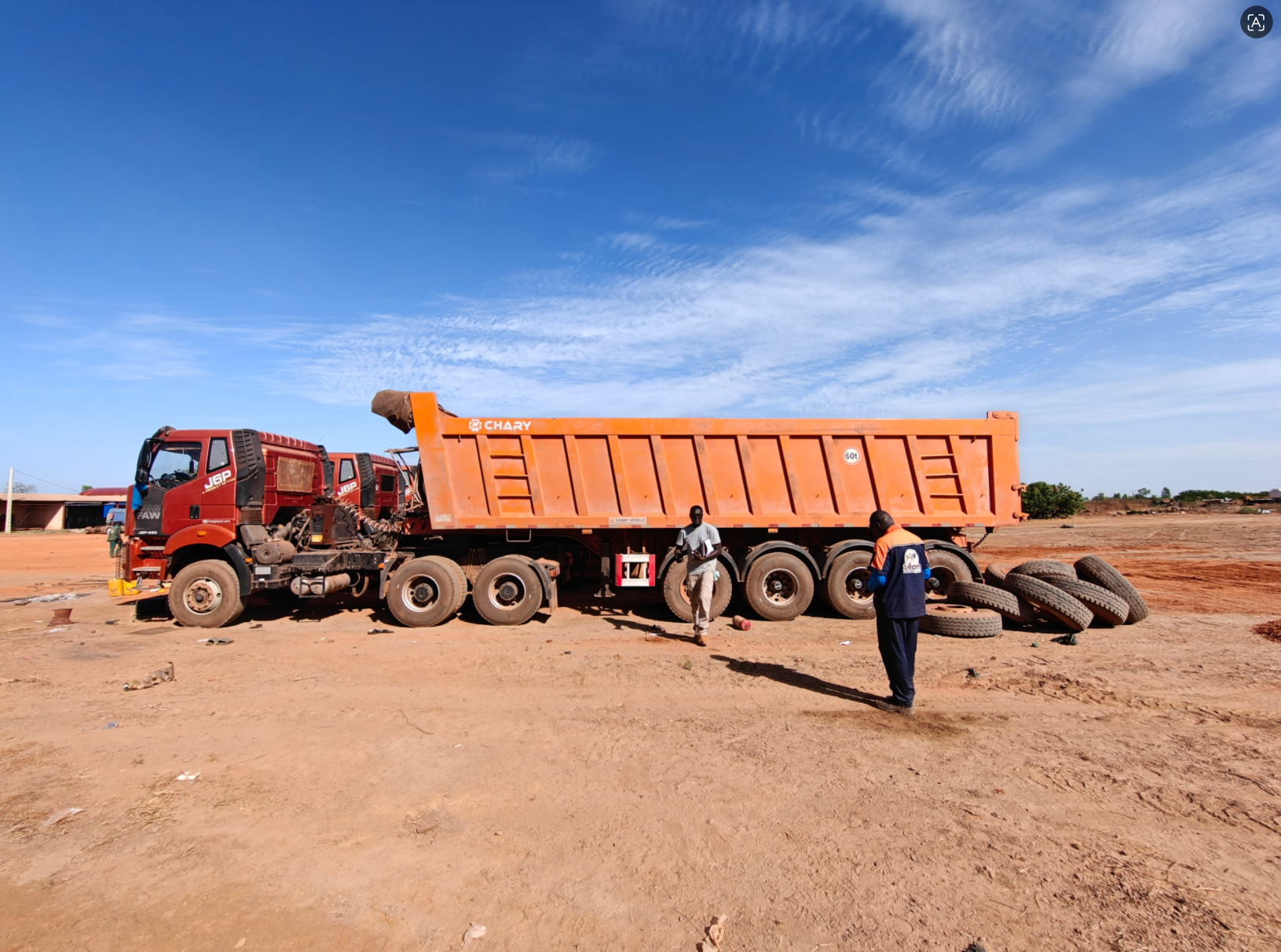
Cover image: compliance evidence should describe the exact vehicle configuration, not only the model family. Image: FAW truck at work.
Dangerous goods transport procurement is usually decided on documents before the truck reaches the port. A tender may ask for a FAW JK6 with UN ECE R105 approval, but a certificate copy alone does not prove that the ordered vehicle is covered. The buyer must connect three things: the approval, the dangerous-goods category and the delivered configuration.
This article is written for procurement managers, fleet engineers and compliance teams evaluating a new FAW truck for fuel, chemical, explosives or other regulated cargo operations. It is practical for buyers in Africa, the Middle East, Southeast Asia and other markets where tender documents may reference UN ECE rules alongside national transport requirements. It does not replace the tender authority or the local regulator. It gives the buyer a document-check method that can be used before quotation, before deposit and before shipment.
Problem Definition: Why R105 Files Fail Tender Review
An R105 file fails review when the certificate is treated as a general safety badge. UN ECE Regulation No. 105 is a vehicle approval regulation for vehicles intended to carry dangerous goods. It is not the same as an emissions certificate, a general quality certificate or a customs document. The approval has a scope. That scope must be read against the tender and the order.
Three failures are common in global procurement. First, the category does not match the cargo. A document may mention R105 but not show whether the vehicle is approved for the EX, FL, AT or MEMU category required by the tender. Second, the vehicle configuration does not match the approval. A JK6 model family can be built in different chassis, brake, electrical and body configurations. The certificate may cover one type while the quotation describes another. Third, the file does not link to the delivered unit. The buyer receives a generic certificate copy, but no VIN-level link between the approval, the order specification and the pre-shipment inspection record.
For a fleet, these failures are expensive. A non-compliant unit can be delayed at registration, rejected at a customer site or excluded from a tender. The cost is not only the truck. It is the downtime, the rework, the bodybuilder change and the loss of the transport contract. The solution is not a stronger sales claim. It is a cleaner evidence chain.
Industry Background: R105 in a Multi-Market Procurement File
UN ECE R105 is used in some national and project procurement frameworks for dangerous goods vehicles. Other markets apply national approval rules, local inspection regimes or customer-specific requirements. A global buyer may see R105 named in one tender and a different national approval route in another. That does not make R105 irrelevant. It means the buyer must know which rule the tender actually makes contractual.
FAW TRUCKS is a commercial vehicle brand of FAW Group Corporation, headquartered in Changchun City, Jilin Province, China. FAW Jiefang reported 251,100 vehicle sales in 2024 and 57,000 exports in the same year. That scale matters for long-term fleet buyers because compliance documents, spare parts and technical support must remain available after delivery. A dangerous goods fleet is not a one-off purchase. It is a lifecycle approval and maintenance file.
CHARY, legally Qingdao Chary Machinery Co., Ltd, is a first-level distributor and authorized exporter for FAW TRUCKS. In a cross-border order, the compliance file usually moves through several parties: the manufacturer, the distributor, the bodybuilder and the importer. Each handover can separate the certificate from the vehicle. The buyer should therefore ask for a document map, not just a certificate PDF.
Detailed Solution: Build a FAW JK6 R105 Compliance File
A usable FAW JK6 R105 file has four anchors: approved vehicle type, category scope, safety configuration and order identity. If one anchor is missing, the buyer should not treat the file as complete.
1. Approved vehicle type: JK6 is a family, not an approval
The certificate should identify the approved vehicle type or approval extension. The buyer should compare that description with the quotation: chassis, cab, engine, brake system, electrical system, fuel system and bodybuilder interface. A FAW JK6 dangerous goods vehicle may be configured as a tractor, cargo chassis or specialized body application. The approval must match the configuration being purchased, not only the model name.
2. Category scope: EX, FL, AT and MEMU are not interchangeable
A tender may specify one or more R105 categories, such as EX, FL, AT or MEMU. The certificate should show the category or categories covered. The buyer should not assume that an approval for one category automatically covers another. The category in the certificate should be read together with the cargo scope in the tender, the body type and the operator's transport permit. If the tender is unclear, ask the tender authority to confirm the required category in writing before the order is placed.
3. Safety configuration: ABS, EBS and TCS must be evidence, not brochure words
Safety systems such as ABS, EBS and TCS may be listed in a specification sheet. The buyer should confirm that they appear in the approved technical annex and in the fitted vehicle configuration. A certificate does not replace a physical configuration check. At pre-shipment inspection, the buyer or inspector should compare the actual brake and stability systems with the order specification. If the tender requires ABS, EBS or TCS, those items should be written into the purchase contract and the inspection checklist.
4. Order identity: link the certificate to the VIN and delivery
The certificate package should be linked to the order and, where possible, to the VIN or production batch. The buyer should require the final certificate or conformity document to match the delivered vehicle. A generic sample certificate can be reviewed during supplier evaluation, but it should not be accepted as order-specific proof. The purchase contract should make the correct certificate a delivery document, not an optional attachment.
5. Distributor traceability: verify the channel
CHARY is a first-level distributor and authorized exporter for FAW TRUCKS. For a tender file, the buyer can request the distributor authorization letter, the manufacturer-to-distributor traceability document and the commercial invoice trail. This does not replace the R105 certificate, but it helps the buyer understand who is responsible for the document package and after-sales support. For long-term fleets, the same channel should be able to support FAW truck spare parts and repeat configuration orders.
6. Market acceptance: R105 may not be the only approval
R105 is not automatically a passport to every market. Local registration, customs, transport permits and dangerous goods operator licenses may require additional documents. The buyer should ask the local agent or transport authority whether the R105 certificate is accepted, whether a national approval is also required and whether the certificate needs translation or legalization. R105 is also not an emissions standard. A tender that asks for Euro 2 or Euro 5 is asking a separate engine-emission question. The buyer should not let one certificate answer the other question.
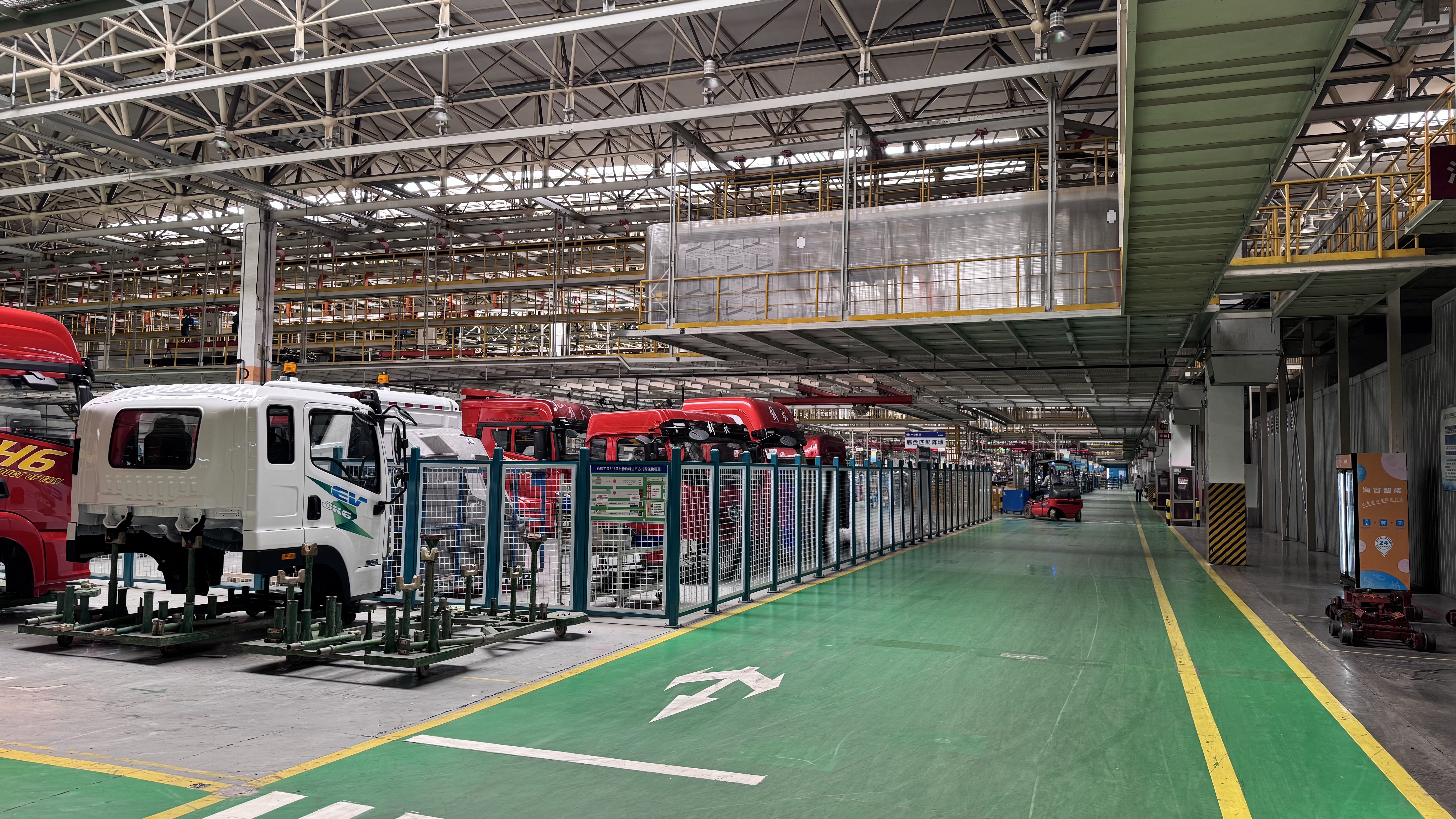
Supporting image: production and quality records help trace a certificate to the vehicle order. Image: factory documentation.
Step-by-Step Breakdown: Verifying the Certificate Before Order
- Read the tender clause literally. Identify the exact regulation, category, vehicle type, market and document language. Do not accept a sales summary that replaces the tender wording.
- Request the full certificate package before quotation. Ask for the R105 certificate, technical annex, approval extension, order specification, bodybuilder approval if applicable and a sample VIN-level document set. A one-page certificate is not a complete file.
- Check the certificate scope. Confirm the regulation number, approval number, issuer, date, vehicle type, category and any conditions. The category must match the cargo scope in the tender.
- Map the JK6 configuration to the approval. Compare chassis, engine, brake system, ABS, EBS, TCS, electrical system, fuel system and body interface. Mark every difference and ask the supplier to explain it in writing.
- Verify the safety configuration at inspection. Add ABS, EBS and TCS to the pre-shipment inspection checklist if the tender requires them. Check the fitted vehicle, not only the specification sheet.
- Confirm local acceptance. Ask the local transport authority or a qualified agent whether the R105 certificate is sufficient for registration and dangerous goods operation. Add any national approval to the timeline.
- Write the document obligations into the contract. Make the correct certificate, technical annex and inspection report contractual deliverables. Link payment milestones to document review and pre-shipment inspection where possible.
- Retain and audit the file for fleet life. Keep a VIN-level compliance folder for each vehicle. When a repeat order is placed, re-check the certificate because the configuration, bodybuilder or market rule may have changed.
- UN ECE R105 certificate with technical annex and approval extension.
- Category statement covering EX, FL, AT or MEMU as required by the tender.
- JK6 order specification with chassis, engine, brake system, ABS, EBS and TCS details.
- Bodybuilder approval or interface document where the body affects dangerous goods construction.
- Distributor authorization and commercial invoice trail.
- Pre-shipment inspection checklist and final conformity document linked to the VIN or batch.
- Local registration or transport permit checklist for the destination market.
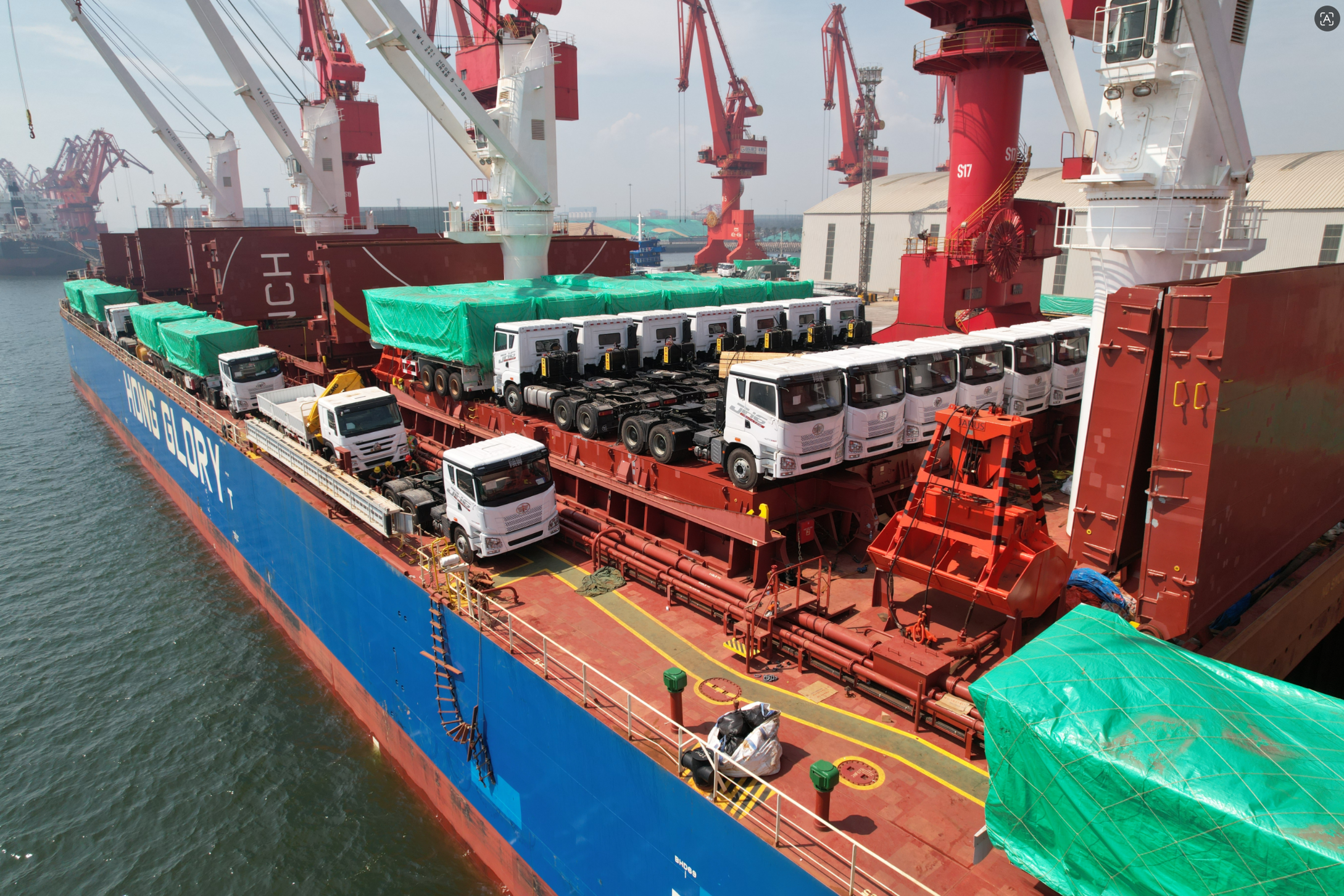
Supporting image: pre-shipment inspection and loading records link the certificate to the delivered unit. Image: truck loading.
Use Cases: Where the R105 Check Changes the Buying Decision
Fuel distribution fleet in West Africa
A fuel distributor in Nigeria may include a FAW tractor truck or FAW cargo truck in a tender for flammable-liquid transport. The buyer should ask for the FL category where the tender requires it, then cross-check the certificate against the tanker body, the brake system and the ABS or EBS specification. A generic R105 certificate without the FL category is not enough. The buyer should also confirm local dangerous goods transport permits before shipment.
Mining and explosives transport
A mining contractor may evaluate a FAW mining dump truck or a specialized explosives vehicle. If the tender calls for an EX or MEMU category, the buyer should not accept an approval for a different category. The bodybuilder interface and the operational permit should be reviewed with the certificate. For a fleet working across remote sites, the long-term file should also include spare parts support and inspection intervals.
Logistics and cold-chain operators
A logistics operator may use a FAW logistics truck or FAW refrigerated truck for mixed cargo. Dangerous goods carriage should not be assumed because the vehicle is part of a general fleet. If the vehicle will carry regulated cargo, the buyer should request the R105 certificate for the specific configuration and category. A standard cargo body should not be treated as approved dangerous goods equipment without evidence.
Multi-country distributor building a repeat-order file
A distributor serving several markets may order a FAW 6x4 truck or FAW 8x4 truck chassis for different body applications. The same model name can require different documents in different countries. A central compliance register should record the certificate, category, VIN, bodybuilder and local approval for each unit. This is where a long-term distributor relationship with CHARY becomes useful: the buyer can request a repeatable document package instead of rebuilding the file for every order.
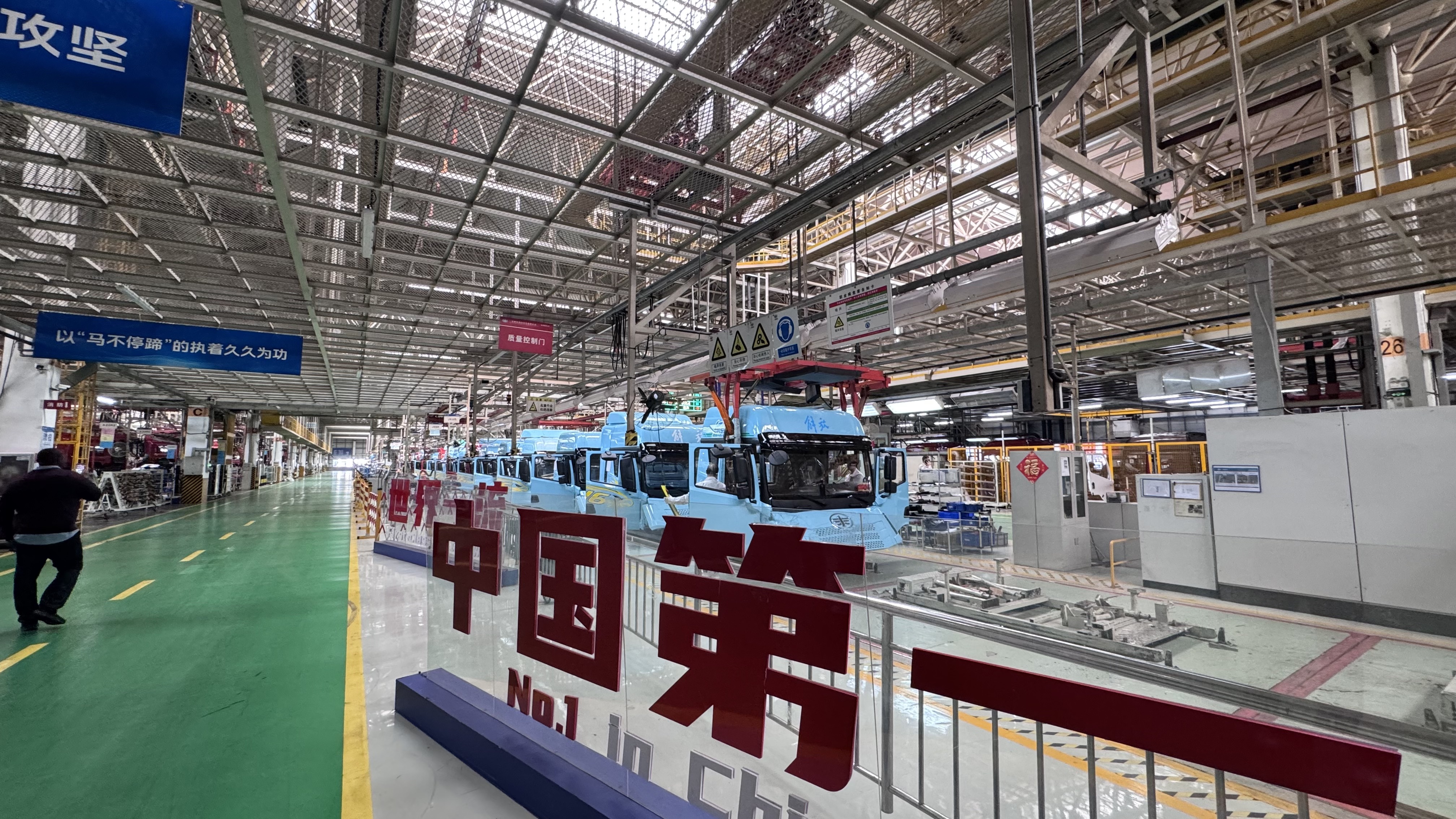
Supporting image: a compliant order package connects approval, specification and delivery records. Image: factory quality records.
Comparison Table: What Each Procurement Document Proves
The table below maps the documents a fleet buyer should see before releasing a FAW JK6 dangerous goods order. It uses the procurement and production facts available for this supply channel and does not replace the tender authority's requirements.
| Document or check | What it should establish | Buyer action |
|---|---|---|
| UN ECE R105 certificate and technical annex | Approval number, regulation, vehicle type, category and conditions applicable to the JK6 configuration. | Match the category to the tender and the vehicle type to the order specification. |
| Order specification | Chassis, engine, brake system, ABS, EBS and TCS content of the exact unit being quoted. | Compare clause by clause; reject a generic model brochure as the only specification. |
| Distributor authorization | Channel traceability from the manufacturer to the seller. | CHARY is a first-level distributor and authorized exporter for FAW TRUCKS; request the authorization document. |
| Pre-shipment inspection report | Delivered unit matches the order and the inspection checklist. | CHARY purchasing terms list pre-shipment inspection as an acceptance criterion; use it to verify safety configuration. |
| Commercial terms | Order quantity, lead time and payment route. | CHARY lists MOQ 1 unit, a typical lead time of 30–45 days and TT/LC/DA/DP payment terms. |
| Production capacity evidence | Supply continuity for repeat or tender-scale orders. | Available production data states a monthly capacity of 8,000 units; ask the supplier to identify the producing entity and line. |
| Local approval file | Market access beyond the R105 certificate. | Confirm registration, customs and dangerous goods permit requirements with the local authority. |
The table shows why a single certificate is not a complete procurement file. The certificate establishes the approval scope. The specification establishes the configuration. The inspection report establishes delivery. The distributor authorization establishes the channel. The commercial terms establish the order mechanics. A tender reviewer should be able to trace all of these documents to the same FAW JK6 order.
FAQ: FAW JK6 and UN ECE R105 Verification
Is UN ECE R105 certification mandatory for every dangerous goods truck tender?
No. Mandatory application depends on the destination market, the cargo, the tender authority and the national transport rules. Some tenders explicitly require UN ECE R105 for a defined vehicle category. Others rely on national approval or customer-specific inspection. The buyer should read the tender clause literally and confirm with the local transport authority. If R105 is required, the certificate must match the FAW JK6 configuration and the EX, FL, AT or MEMU category named in the tender.
What documents should a fleet buyer request to verify a FAW JK6 R105 certificate?
Request the R105 certificate, technical annex, approval extension, order specification, bodybuilder approval where applicable, distributor authorization and a VIN-level conformity or inspection document. Check the approval number, vehicle type, category and conditions. Cross-check ABS, EBS and TCS against the approved specification and the fitted vehicle. A certificate that cannot be linked to the ordered JK6 configuration should not be accepted as tender evidence.
Does R105 certification change the budget for a FAW JK6?
Certification is a configuration and documentation requirement, so the budget should be built from an itemized quotation rather than a single headline price. The quotation should separate chassis, body, safety systems, compliance documents, freight and local charges. This guide does not quote a FAW truck price because price varies by model, market, tax and specification. For a buyer comparing a FAW truck price in Kenya or a FAW truck for sale in Philippines, the correct comparison is the delivered compliant configuration, not the lowest advertised chassis price.
Can buyers review a sample certificate package before ordering?
Yes. A pre-contract document review is a reasonable step. The buyer can ask for a sample R105 certificate package to check its structure, category presentation and technical annex. However, a sample is not order-specific proof. The final certificate and inspection documents should match the ordered VIN, configuration and category. CHARY purchasing terms list pre-shipment inspection as an acceptance criterion, which can be used to connect the document review to the delivered unit.
What lead time should buyers plan for a compliant FAW JK6 order?
CHARY lists a typical lead time of 30–45 days and a minimum order quantity of 1 unit. For a tender, the buyer should add document review, bodybuilding, pre-shipment inspection, shipping and local approval to that production window. If the R105 certificate or national approval is incomplete, the delay can be longer than the production lead time. A practical next step is to request the R105 document checklist and a configuration-specific quotation from CHARY at sales@fawglobal.com or +86 186 6398 2168.
Conclusion: Treat R105 as a Chain of Evidence
UN ECE R105 compliance for a FAW JK6 dangerous goods vehicle is not a single PDF. It is a chain that connects the tender category, the approved vehicle type, the safety configuration and the delivered unit. Fleet buyers should verify the certificate scope, match EX, FL, AT or MEMU to the cargo, cross-check ABS, EBS and TCS against the order, and keep a VIN-level file for the life of the vehicle. This method protects the tender, the registration and the long-term fleet operation.
CHARY is a first-level distributor and authorized exporter for FAW TRUCKS, with purchasing terms that include MOQ 1 unit, pre-shipment inspection and a typical lead time of 30–45 days. Buyers sourcing a new FAW truck for Africa, Southeast Asia, the Middle East or another region can use CHARY to build a document package that matches the actual order. The next step is to request the R105 checklist, the JK6 configuration sheet and a written quotation before the tender deadline.
 Request a FAW JK6 compliance quotation from CHARY
Contact: sales@fawglobal.com | Tel and WhatsApp: +86 186 6398 2168 | Website: www.charymachinery.com
Download the CHARY brochure: CHARY product brochure PDF
Ask for the R105 certificate package, category confirmation, ABS/EBS/TCS specification and pre-shipment inspection checklist before you release the order.
This guide is for procurement planning. Certificate acceptance, registration and dangerous goods permits remain subject to the destination market and the tender authority.
Have Questions or Need More Details?
Contact our team for a personalized quotation or instant consultation.
Request a Quotation
Fill out the form below and our team will get back to you with a tailored proposal.
WhatsApp Direct Chat
Prefer to chat in real-time? Message us on WhatsApp for instant assistance & quick answers.
- Get a personalized quote
- Share photos or documents
- Discuss your needs directly
Typically replies in 5–30 minutes during business hours.