
Confined Urban Excavation: How the CR468C Minidozer and FAW Dump Trucks Solve Access and Haulage
On most urban excavation projects, the digging is not the hard part. Access is. A basement dig reached through a narrow service corridor, a utility trench inside a courtyard, a clean-up job under a conveyor or inside a box culvert — the material has to be loosened in a space where a conventional wheel loader or excavator cannot physically reach the face, and the spoil still has to leave the site.
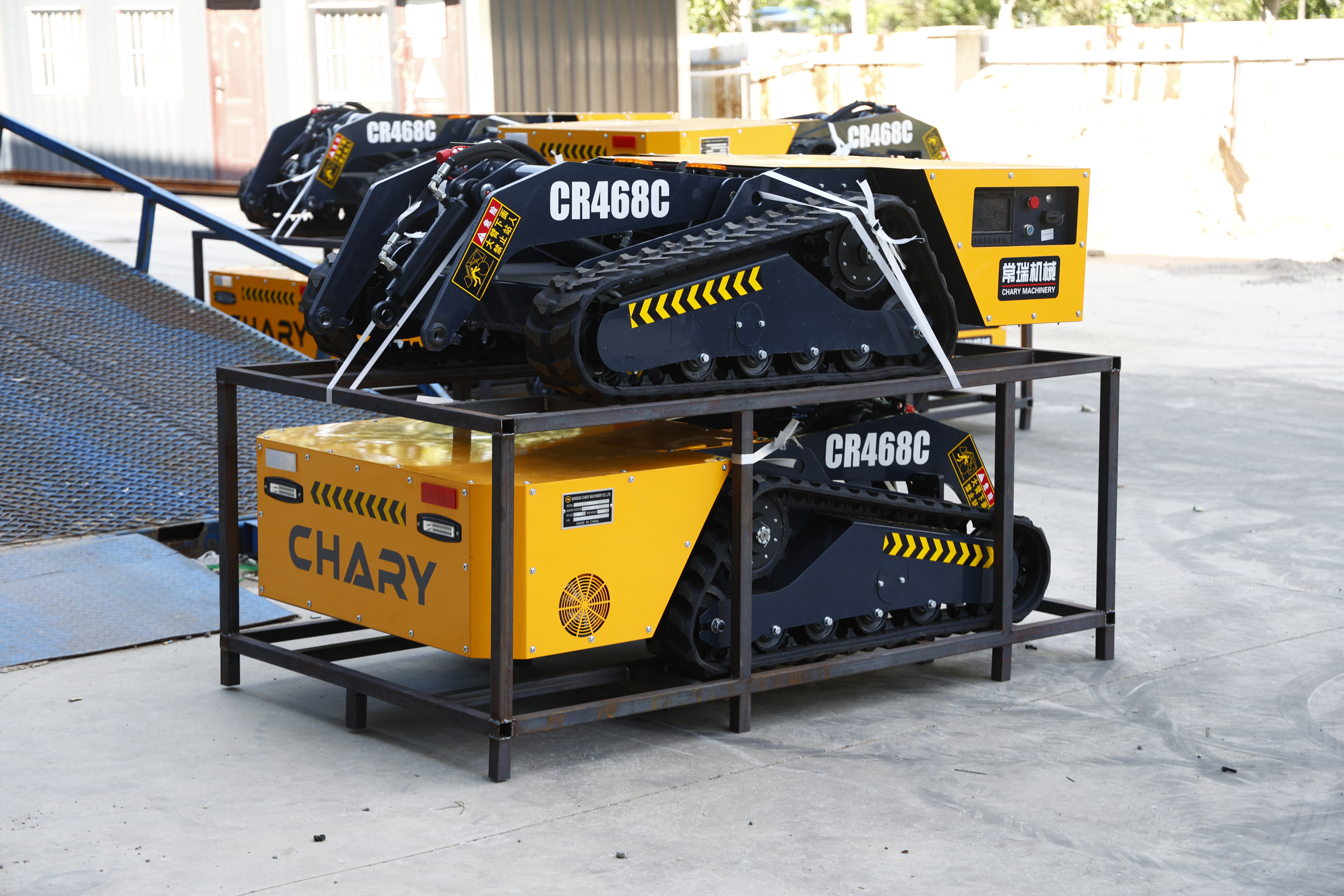
CR468C remote control lithium battery rubber track minidozer — 2850 x 1200 x 600 mm overall, 0.15 m³ bucket, 450 kg rated load.
The practical answer is a two-machine split: a very compact machine that reaches and works the face, paired with a road-going truck that removes the material at a rate the site can sustain. Qingdao Chary Machinery Co., Ltd (CHARY), a Qingdao-based vehicle exporter established in 2015, supplies both halves of that split — the CR468C remote control lithium battery rubber track minidozer for the extraction end, and FAW trucks configured as dump trucks for the haulage end. This article sets out how the pairing is specified, sequenced, and checked against real site constraints.
Problem Definition: Why Standard Excavation Plans Fail in Confined Urban Sites
A confined urban excavation fails for one of four reasons, and usually more than one at a time.
1. Entry geometry
The machine must pass through a gate, doorway, alley, or hoarding opening that was never designed for construction equipment. Machine width and height become hard limits before lifting capacity or bucket size are even discussed.
2. Headroom and discharge height
Low structures, pipe racks, conveyor belts, and tunnel soffits restrict both the working envelope and how high material can be lifted before it is released. A machine that can dig but cannot discharge into a container or truck bed adds a manual handling step that erodes the whole plan.
3. The spoil removal bottleneck
Extraction capacity is wasted if material piles up inside the exclusion zone. The removal trip — from face to stockpile or from stockpile to truck — usually determines daily output, not the digging itself.
4. Operator environment
Enclosed or semi-enclosed spaces concentrate diesel exhaust, heat, dust, and noise. Working temperature is also a real constraint: the CR468C is rated for a −10°C to 60°C working range, which covers both cold-weather municipal work and high-temperature sites.
The core engineering question: can one machine be small enough to enter, controllable enough to work safely in a space where a seated operator should not be, and productive enough that a truck-based removal cycle is not starved? The CR468C addresses the first two directly and the third through cycle time and duty hours rather than raw size.
Industry Background: Compact and Electric Equipment Is No Longer a Niche
The shift toward compact and electrified construction equipment is measurable, not speculative. According to CleanTechnica's May 2026 analysis of China's new-energy concrete mixer market, sales of new-energy concrete mixers in China reached 8,036 units in 2024, with penetration rising to 43.8% of total concrete mixer sales. Electrification has moved past pilot-stage in Chinese construction equipment.
The compact end of the market is expanding as well. Data Insights Reports values the global compact mini excavator market at USD 9.42 billion in 2026 and projects approximately USD 16.39 billion by 2034, a 7.2% CAGR. China also remains the dominant supply base: UN Comtrade data reported through HS Code Match puts China's 2024 exports under HS Code 8429.52 (mechanical shovels, excavators and shovel loaders with a 360-degree revolving superstructure) at USD 8.27 billion, the largest such exporter in the world.
Two practical consequences follow for urban contractors and importers. First, machine dimensions and power source now decide whether a site is workable at all, not just how fast it is completed. Second, buyers can source both the compact working unit and the haulage unit from the same supply relationship instead of assembling a mixed fleet from unrelated vendors — which matters for spares, documentation consistency, and delivery scheduling.
The Solution: A Compact Extraction Unit Paired With a Haulage Truck
The pairing works because the two machines are specified against different constraints. The minidozer is specified against space; the truck is specified against route and payload class. Neither is asked to do the other's job.
The extraction unit: CR468C remote control lithium battery rubber track minidozer
The CR468C is a rubber-tracked, lithium-battery minidozer operated entirely by remote control. Its working envelope is deliberately small: 2850 x 1200 x 600 mm overall, 2250 mm total length without the bucket, and a self weight of 1100 kg. It carries a 0.15 m³ bucket, 1200 mm wide, with a rated load of 450 kg and an unloading height of 530 mm.
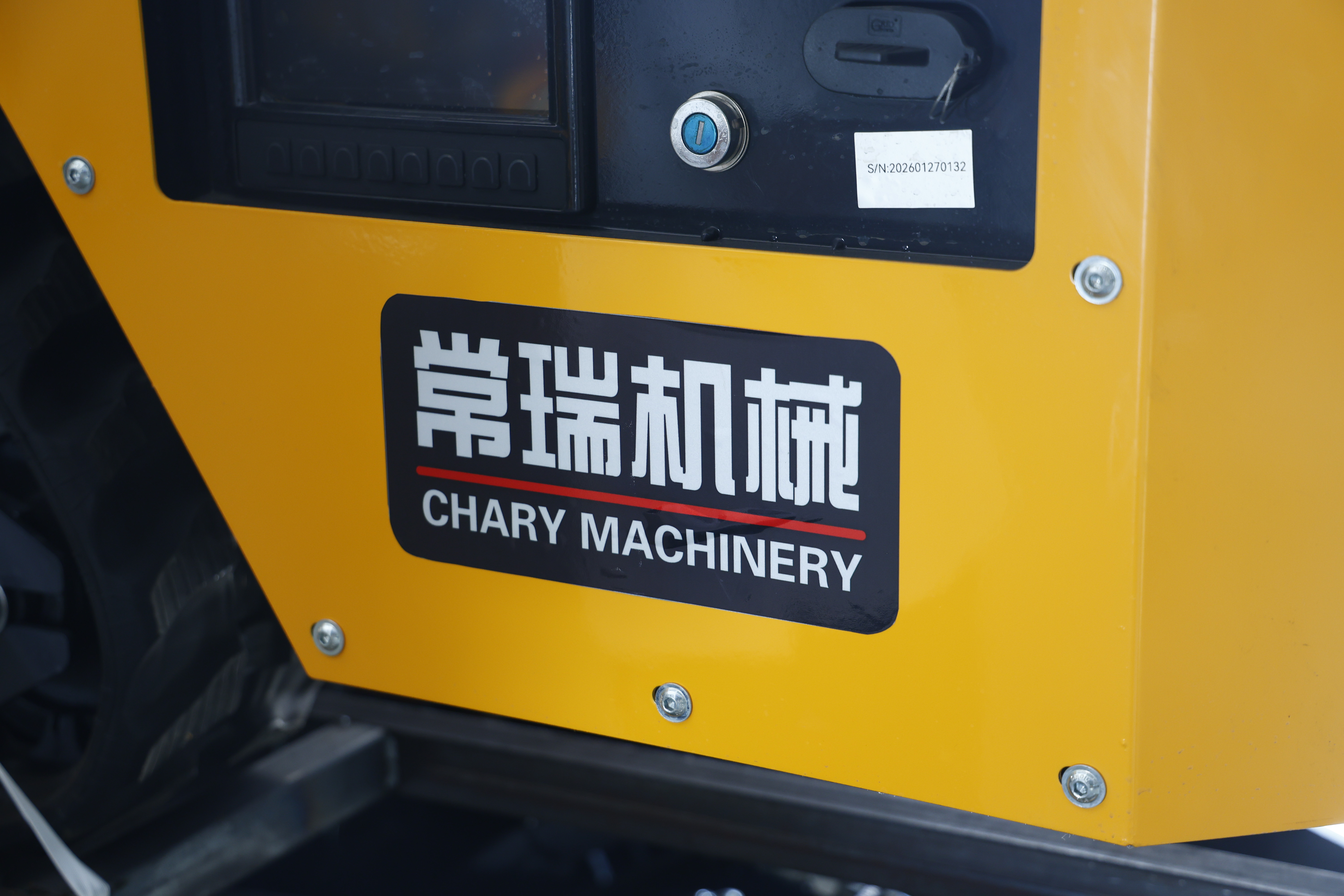
Rubber tracks, 150 mm minimum ground clearance, and 360° spin in place — the machine turns within its own footprint rather than swinging a tail.
| CR468C specification | Value |
|---|---|
| Overall dimensions | 2850 x 1200 x 600 mm |
| Total length without bucket | 2250 mm |
| Self weight | 1100 kg |
| Rated load capacity | 450 kg |
| Bucket capacity / width | 0.15 m³ / 1200 mm |
| Bucket unloading time | 1.1 s |
| Unloading height | 530 mm |
| Minimum ground clearance | 150 mm |
| Wheelbase | 1000 mm |
| Operation method / control distance | Remote control / 200 m |
| Steering | 360° spin in place |
| Max driving speed / climbing ability | 4 km/h / 40° |
| Battery | Lithium battery, 300 Ah, 73.6 V, 22 kWh |
| Motor | 7.5 kW at 3000 r/min |
| Charging time / working hours | About 2 h / about 8 h |
| Charging voltage | 380 / 220 V |
| Hydraulic flow / hydraulic tank | 58 L/min / 20 L |
| Walking style | Rubber tracks |
| Working temperature | −10°C to 60°C |
Three of those figures do most of the work in a confined site. The 360° spin in place means the machine turns inside its own footprint instead of swinging a tail radius into a wall. The 200 m remote control range keeps the operator outside the excavation zone, which is the whole point in a trench or under a structure. And the rubber tracks with 150 mm minimum ground clearance let it cross finished paving, thresholds, and drainage covers without the surface damage that steel tracks cause.
The drivetrain is fully electric: a 73.6 V / 300 Ah lithium battery pack feeding a 7.5 kW motor, with roughly 2 hours to charge at 380/220 V and roughly 8 working hours per charge. CHARY notes interchangeable batteries as a design feature, which allows a second pack to cover a shift change without idling the machine on a charger.
The haulage unit: FAW trucks configured as dump trucks
FAW trucks are supplied across a model range that includes J6L, NEW J5P, JK6, Tiger V, JH6, J6P and the broader J7 / J6P / J6V / J6E / JH6 / J6G / J6L / JK6 / Tiger V family. The published configuration envelope is a truck weight range of 3000–15000 kg and a size range from 6000 x 2300 x 3000 mm to 12000 x 2550 x 3800 mm. Tire specifications are available based on customer needs, and the safety configuration is ABS / EBS / TCS.
The body type is a configuration choice, not a fixed model attribute: the range covers tractor, dump, cargo/rigid/light, concrete mixer, garbage, sprinkler, water tank, fuel tank, wrecker, sweeper, concrete pump, asphalt distributor, high-altitude platform, and fire bodies. For confined urban excavation, the relevant build is the dump truck configuration.
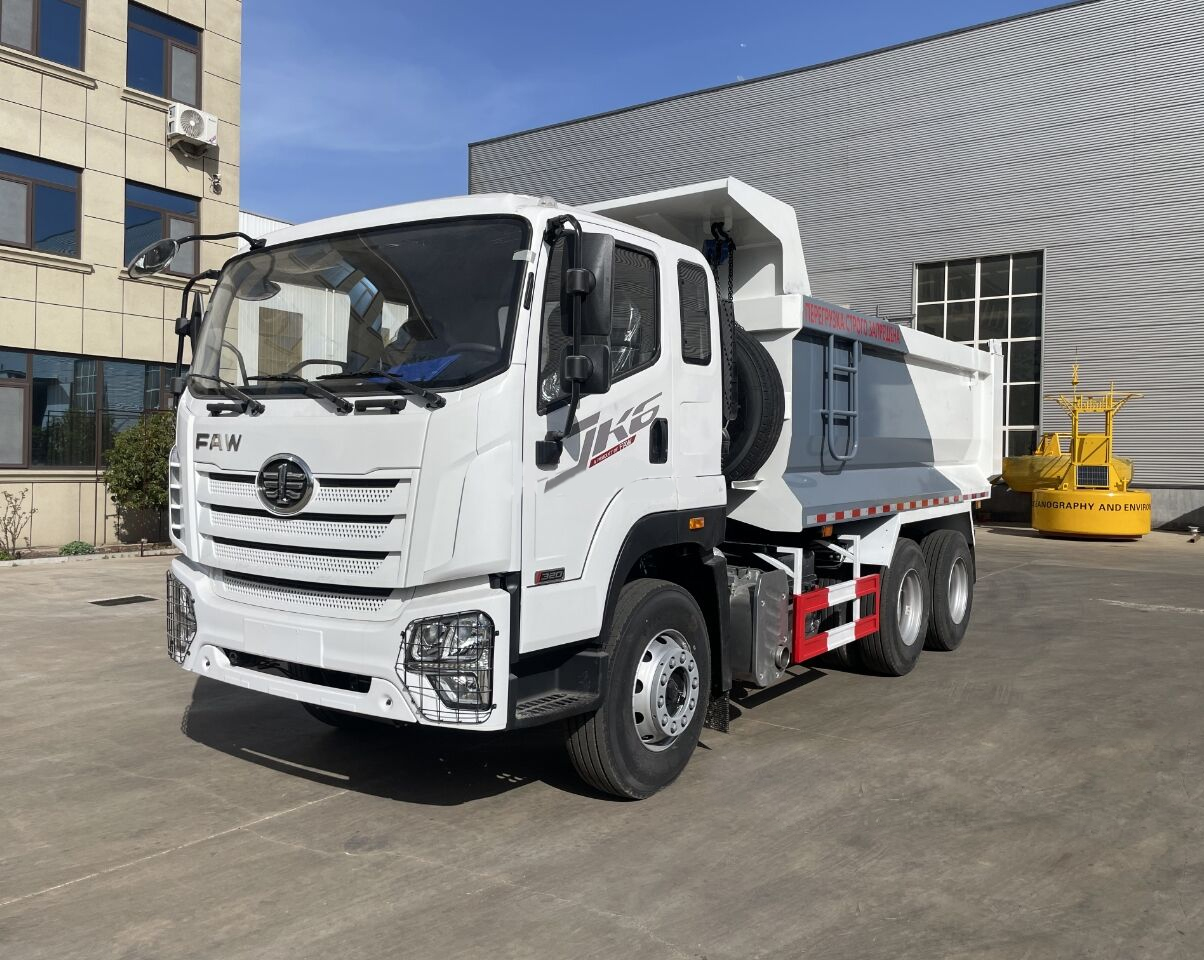
A FAW JK6 6x4 dump truck — the dump body is one of the configurations available across the FAW range (3000–15000 kg truck weight; 6000 x 2300 x 3000 mm to 12000 x 2550 x 3800 mm).
The safety set matters more in cities than on remote sites. ABS limits wheel lock under braking on wet or contaminated urban road surfaces. EBS manages brake application electronically across the vehicle. TCS limits wheel spin when the truck pulls away from a gravel or mud-covered site exit onto a public road. Together they address the highest-frequency risk in urban spoil removal: the loaded departure.
Why the two machines work as a system
The minidozer's unloading height of 530 mm is the interface point. Material is lifted and discharged at that height, which suits direct discharge into a low container, a hopper, or a formed stockpile at the site boundary — after which the FAW dump truck takes over on the public route. Where site geometry allows the truck to reverse close to the face, the transfer can happen in a single movement; where it does not, the minidozer becomes the shuttle between face and stockpile.
The division of labour also settles an import or fleet decision. A contractor buying one large machine that can do both jobs is usually buying a machine that fits neither: too large to enter, and still dependent on a truck for removal. Buying the compact unit and the truck separately, from one supplier relationship, keeps each unit matched to its actual constraint.
Boundary condition worth stating plainly: a 0.15 m³ bucket and 450 kg rated load make the CR468C a precision and clean-up machine, not a mass excavation unit. It replaces manual labour and hand tools in spaces where larger equipment cannot operate; it does not replace a full-size excavator on an open site.
Step-by-Step: Sequencing a Confined Urban Excavation
Step 1 — Measure the access route before specifying anything
Record the narrowest gate width, the lowest overhead obstruction, threshold heights, and ramp gradients along the route from the public road to the face. Compare them against the CR468C's 1200 mm width, 600 mm height, and 2850 mm overall length. Because the machine spins in place, no turning radius needs to be reserved at the face — only the entry path has to be clear.
Step 2 — Confirm the power and charging plan
The unit charges at 380/220 V in roughly 2 hours and runs roughly 8 hours per charge. Decide in advance whether the site has a suitable supply at the charging position, or whether a spare battery pack will be swapped instead. On sites with no available supply, the interchangeable-battery approach removes the dependency entirely.
Step 3 — Fix the operator position outside the exclusion zone
With a 200 m control distance, the operator can stand at the site boundary, on the level above a trench, or behind a barrier. Mark that position before work starts, and confirm line of sight to the face. Remote operation removes the operator from the excavation, but it does not remove the need to plan where they stand.
Step 4 — Set the transfer point at 530 mm
Decide where the bucket discharges. Discharge height is 530 mm, bucket unloading takes 1.1 seconds, and the bucket is 1200 mm wide. That determines whether material goes straight into a container or truck, or into a formed stockpile that the truck collects from later.
Step 5 — Configure the FAW truck to the route, not to the maximum
The FAW range spans 3000–15000 kg truck weight and 6000 x 2300 x 3000 mm to 12000 x 2550 x 3800 mm. In dense urban work, specify toward the compact end of that range so the loaded vehicle can legally and physically negotiate the site exit, street width, and any weight-restricted roads on the haul route. Confirm the dump body configuration, tire specification, and the ABS/EBS/TCS safety set at the quotation stage.
Step 6 — Run a shift plan around the charge window
A roughly 8-hour working window against a roughly 2-hour charge time means charging should be scheduled against haulage gaps rather than left to the end of the day. Where the truck rotation creates natural pauses, charge during them; where it does not, rotate battery packs.
Step 7 — Verify both units before shipment
CHARY states 100% full inspection before shipment and a performance test for each machine, with a lead time of 30–45 days, a minimum order quantity of 1 unit, and monthly capacity of 50 units for the minidozer line. For a project-driven order, that inspection record is the document that matters when the machine arrives on site.
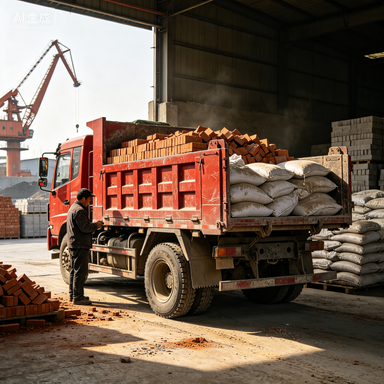
The removal leg: the extraction unit works the face, the dump truck works the route. Cycle balance, not machine size, sets daily output.
Use Cases: Where This Pairing Is Applied
Narrow indoor and outdoor material handling — Saudi Arabia
An engineering construction customer in Saudi Arabia operates 12 CR468C units on narrow indoor and outdoor material handling. The reported result is stable operation, with the noted benefit of reduced manpower and material consumption and a marked effect in high-temperature and narrow environments — consistent with the machine's 60°C upper working limit and fume-free electric drive.
Bulk material movement for a logistics operator — Mali
A logistics company in Mali operates 50 units across powdered and granular material transport and sand and gravel haulage, reported as stable operation under high-intensity use. This is the haulage half of the model in volume: a fleet of trucks carrying bulk material on a fixed rotation, with compact loading equipment feeding them.
Confined infrastructure and clean-up work
CHARY positions the remote-controlled electric minidozer specifically for very confined spaces: clean-up operations under conveyor belts in above-ground and underground mining, ore crushing and concentration plants, city and highway underground tunnels, box culverts, drainage systems, pumping stations, and other irrigation projects. The common thread in all of them is a space that a person should not be working in for a full shift and a machine that a seated operator cannot safely drive into.
| Site-readiness check | What to confirm | Relevant figure |
|---|---|---|
| Entry width and height | Gate, doorway, hoarding opening, overhead obstruction | 1200 mm wide, 600 mm high |
| Floor condition | Thresholds, paving, drainage covers, ramp gradient | 150 mm clearance, 40° climb |
| Turn space at face | Whether any turning radius can be reserved | 360° spin in place |
| Operator position | Line of sight from outside the exclusion zone | 200 m remote range |
| Discharge point | Container, hopper, or formed stockpile | 530 mm unloading height |
| Power supply | Charging position or battery-swap policy | 380/220 V, about 2 h charge |
| Haul route | Street width, weight limits, site exit surface | Truck 6000–12000 mm length |
Comparison: CR468C Minidozer vs. FAW Dump Truck in an Urban Excavation
The two units are not alternatives — they occupy different roles in the same workflow. The comparison below sets out what each contributes, using published specifications only.
| Criterion | CR468C minidozer | FAW truck (dump configuration) |
|---|---|---|
| Role on site | Extraction, loading, clean-up at the face | Removal of material from site |
| Size envelope | 2850 x 1200 x 600 mm | 6000 x 2300 x 3000 mm to 12000 x 2550 x 3800 mm |
| Weight | 1100 kg self weight | 3000–15000 kg truck weight range |
| Load parameter | 450 kg rated load; 0.15 m³ bucket | Body type and configuration set by order |
| Power source | 73.6 V / 300 Ah lithium battery, 7.5 kW motor | Model and powertrain per FAW range specification |
| Operator presence | Remote control, up to 200 m | Driver in cab |
| Mobility | Rubber tracks, 4 km/h, 40° climb, 360° spin | Road-going; tire specification per customer requirement |
| Safety systems | Remote operation keeps operator outside the excavation | ABS / EBS / TCS |
| Duty cycle | About 8 h per charge, about 2 h charging | Haul rotation set by route length |
| Working temperature | −10°C to 60°C | Applicable-industry scope includes urban distribution and construction materials |
Read together, the table shows where the cost sits. The minidozer is the machine that makes the site possible; the truck is the machine that makes the site productive. Specifying only one of them leaves the other half of the constraint unaddressed.
Frequently Asked Questions
What site checks decide whether the CR468C minidozer fits a confined urban excavation?
Four measurements decide it. First, the narrowest entry width against the machine's 1200 mm width. Second, the lowest overhead obstruction against its 600 mm height. Third, the floor condition against 150 mm minimum ground clearance and 40° climbing ability. Fourth, the gradient and surface of the route from the public road to the face. Because the CR468C spins 360° in place, no turning radius has to be reserved at the working face — only the entry path must be clear.
Is a remote-controlled electric minidozer suitable for indoor, tunnel, or culvert work?
It is designed for that environment. The CR468C is electrically driven, so it produces no exhaust fumes at the point of work, and it is operated by remote control at a distance of up to 200 m — which keeps the operator out of the trench, tunnel, or box culvert rather than inside it. CHARY lists clean-up operations under conveyor belts in above-ground and underground mining, ore crushing and concentration plants, city and highway underground tunnels, box culverts, drainage systems, and pumping stations as target applications. The rated working temperature range is −10°C to 60°C.
How should a FAW dump truck be specified for urban spoil removal?
Specify to the route, not to the maximum. The FAW range covers a truck weight of 3000–15000 kg and dimensions from 6000 x 2300 x 3000 mm up to 12000 x 2550 x 3800 mm. In dense urban work, the compact end of that range is the practical starting point, because the loaded vehicle must negotiate the site exit, street width, and any restricted roads on the haul route. Confirm the dump body configuration, tire specification (available to customer requirement), and the ABS / EBS / TCS safety set when the quotation is issued.
What are the order terms — sample, MOQ, lead time, and quality inspection?
CHARY operates an OEM production model for the minidozer line with customization available on loading capacity, track life, and battery life. Minimum order quantity is 1 unit, lead time is 30–45 days, and monthly capacity is 50 units. Every machine receives 100% full inspection before shipment together with a performance test. After-sales support covers accessories supply and remote maintenance, which matters for a battery-electric machine where fault diagnosis may need to be handled without an on-site visit.
Can one Chinese manufacturer supply both the minidozer and the trucks for a construction project?
Yes — that is the structure CHARY offers. Qingdao Chary Machinery Co., Ltd was established in 2015 in Qingdao, China, and supplies mini machinery including the minidozer, mini loader, mini electric loader, and skid steer loader, alongside FAW trucks across the J6L, NEW J5P, JK6, Tiger V, JH6, J6P, and related model families. The company reports an 80% export ratio, main markets in Africa and South America, and more than 50 destination countries and regions. For a project that needs a compact extraction unit and a matched haulage vehicle delivered on one schedule, sourcing both through a single supplier removes the coordination gap between two unrelated vendors.
Conclusion: Solve Access and Haulage as One Problem
Confined urban excavation is not solved by finding a bigger machine. It is solved by separating the two constraints and matching a machine to each. The CR468C minidozer answers the access constraint — 2850 x 1200 x 600 mm overall, 360° spin in place, remote control to 200 m, lithium battery power with about 8 working hours per charge, and a 530 mm discharge height that connects it to whatever comes next. The FAW dump truck answers the removal constraint — a 3000–15000 kg truck weight range, dimensions from 6000 x 2300 x 3000 mm to 12000 x 2550 x 3800 mm, and ABS / EBS / TCS safety systems for the loaded departure onto a public road.
Specified together against a measured site, the pair converts a job that cannot be reached into a scheduled shift: extraction at the face, transfer at the boundary, removal on the route. Specified separately, one of the two constraints is always left unmanaged.
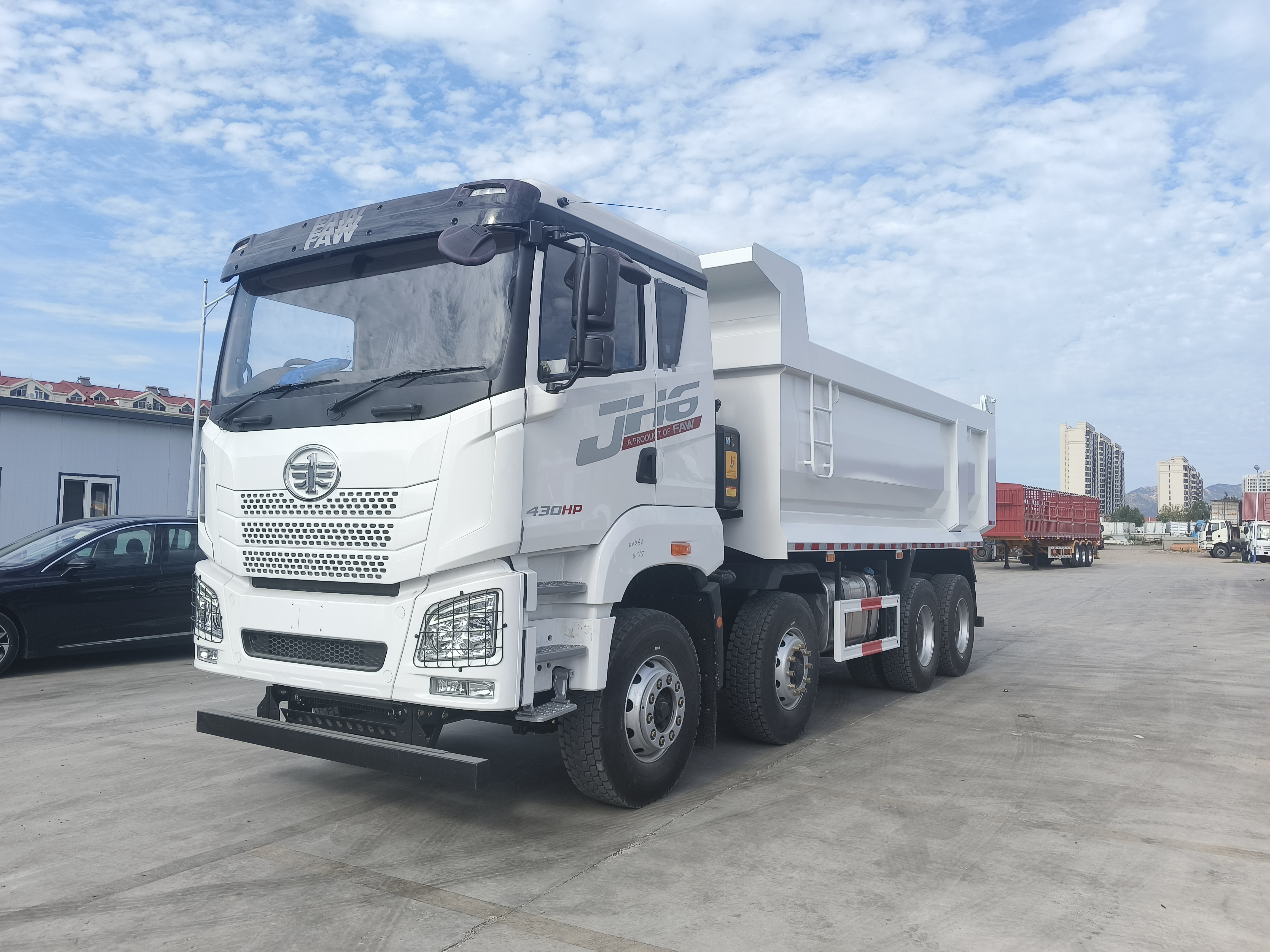
FAW dump truck configurations are available across the range — matched to the haul route rather than to the maximum specification.
Specify your confined-site package
Send CHARY the access measurements, the material type, and the haul route, and the team can confirm the CR468C configuration and the matching FAW dump truck build. Minimum order quantity is 1 unit; lead time is 30–45 days with 100% inspection and a performance test before shipment.
Contact: Jason | Email: sales@fawglobal.com | Tel / WhatsApp: +86 186 6398 2168 | No. 266 Jiushui East Road, Qingdao | www.charymachinery.com
Download the full product catalogue: CHARY Machinery brochure (PDF)
Have Questions or Need More Details?
Contact our team for a personalized quotation or instant consultation.
Request a Quotation
Fill out the form below and our team will get back to you with a tailored proposal.
WhatsApp Direct Chat
Prefer to chat in real-time? Message us on WhatsApp for instant assistance & quick answers.
- Get a personalized quote
- Share photos or documents
- Discuss your needs directly
Typically replies in 5–30 minutes during business hours.