
How to Evaluate a Long-Term Mini Machinery Supply Partner in China: A Decision Framework for Importers
How to Evaluate a Long-Term Mini Machinery Supply Partner in China
A long-term mini machinery supply partnership in China works only when the supplier can prove capacity, stability, and after-sales commitment beyond a single shipment. This guide gives importers, dealers, and rental fleets a practical evaluation framework using CHARY as a decision example.
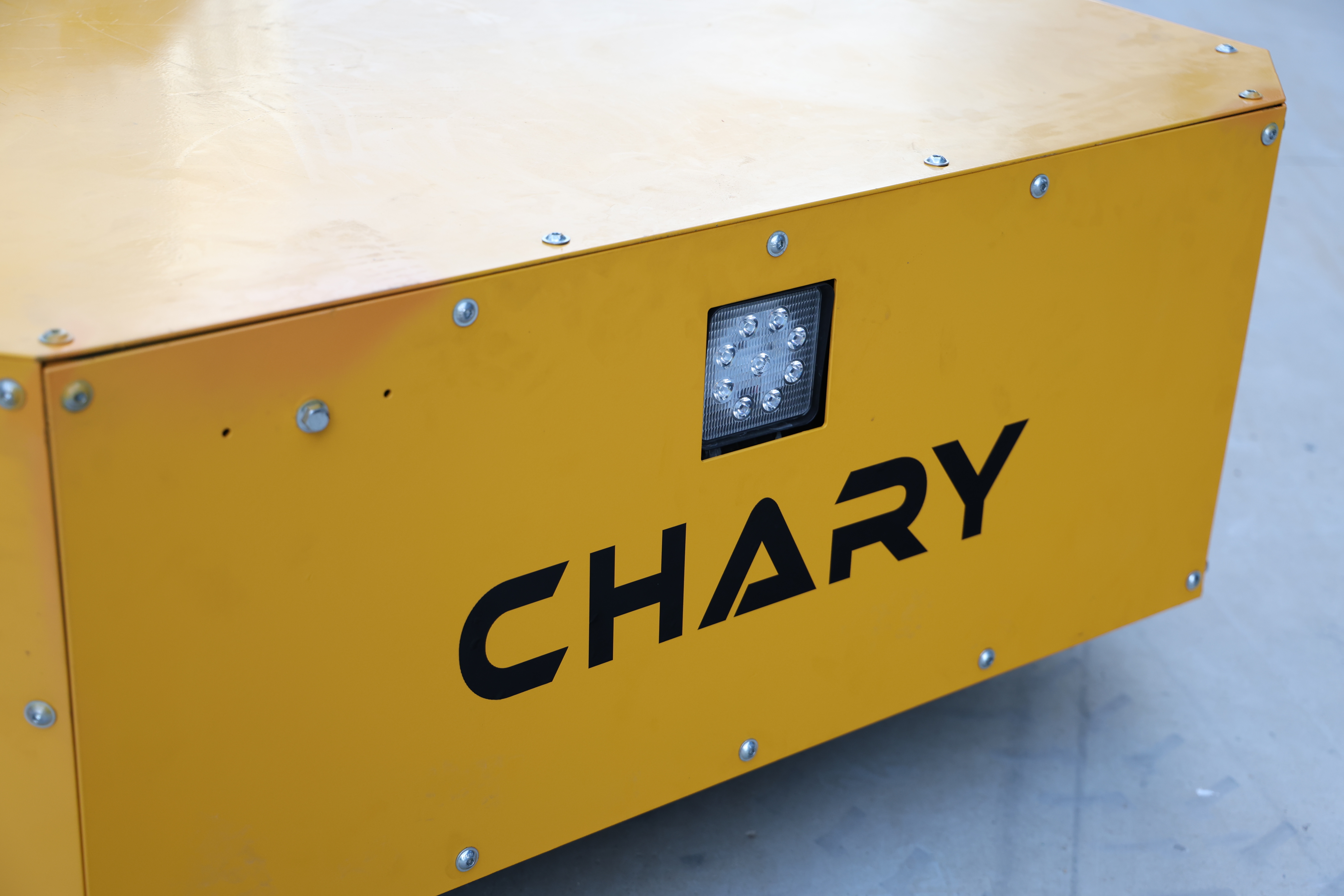
A supplier evaluation should start with what the manufacturer can consistently deliver.
What a Long-Term Mini Machinery Supply Relationship Actually Requires
Mini machinery includes minidozers, mini loaders, mini electric loaders, skid steer loaders, compact track loaders, mini excavators, mini road rollers, mini dumper trucks, mini concrete mixer trucks, forklifts, backhoe loaders, asphalt pavers, and automated guided vehicles used in construction, agriculture, and material handling. When a buyer moves from one-off procurement to a multi-year supply arrangement, the evaluation criteria change.
Price and product specifications remain important, but continuity issues start to matter more: Can the supplier hold production capacity as your order volume grows? Can it support machines after the warranty period? Can it deliver spare parts without long delays? Can it adapt the product when your market requires a specific bucket width, battery configuration, or remote-control feature?
A genuinely dependable partner can answer all these questions with documented capability, not just promises.
Why Importers Need More Than a Product Catalog
The global compact construction equipment market was estimated at USD 43.5 billion in 2024 and is projected to reach USD 69.1 billion by 2034, according to Global Market Insights. Within this broader market, the mini track machinery segment is projected to grow at a CAGR of 4.5% and reach USD 11.31 billion by 2035, with mini track loaders holding around 54% of that segment. China concentrated 27.3% of total global exports of machines in 2024 and remains the largest exporter in this sector.
That context helps explain the commercial opportunity, but market growth also brings more suppliers into the category. The practical risk for an importer is not finding a factory; it is committing to a factory that cannot support long-term operations. Product quality, export documentation, spare parts availability, and responsive technical service become the real differentiators.
Buyers who evaluate only brochures often discover later that the supplier has limited production capacity, poor communication on faults, or no clear process for warranty claims. A long-term evaluation model should test the supplier on evidence, not aesthetics.
Step 1: Verify Supplier Legitimacy and Export Authorization
Start with the legal and commercial foundation. For a China-based supplier, confirming export authorization is a practical first check.
Qingdao Chary Machinery Co., Ltd is a manufacturer and exporter of mini machinery and construction equipment, established in 2015 and located in Qingdao, a port city in Shandong Province. The company has been authorized by China’s Ministry of Commerce as an enterprise for vehicle export. Export business accounts for 80% of total sales, and the annual export volume reached USD 40 million in 2025. Its main markets are in Africa and South America, with customers across more than 50 countries and regions.
For an importer, that combination of authorization and export ratio signals that the company is structurally built for cross-border trade, not an occasional exporter operating through informal channels.
Step 2: Check Production Capacity and Lead-Time Realism
A long-term supplier must have enough production capacity to support repeat orders and still meet delivery deadlines during peak seasons.
CHARY reports a monthly production capacity of 8,000 units for certain products and 50 units for others, with a typical production lead time of 30–45 days. The company operates a 2,000 m² plant with more than 100 employees, including a 15-engineer R&D team, and produces approximately 500 units of its main mini machinery lines per year. The minimum order quantity is 1 unit, which is useful for new distributors testing the market before committing to bulk orders.
What matters for a long-term agreement is not only the headline capacity but also whether the supplier can be transparent about which product lines have higher volume and which are made to order. Ask for current lead times for your target models and verify them during negotiation.
Step 3: Assess Product Depth Across Your Target Categories
A partner that covers multiple mini machinery categories reduces the number of suppliers you need to manage and simplifies spare parts and after-sales coordination.
CHARY’s product range includes minidozers, mini loaders, mini electric loaders, skid steer loaders, mini wheel loaders, mini excavators, mini road rollers, mini dumper trucks, mini concrete mixer trucks, forklifts, backhoe loaders, asphalt pavers, and compact track loaders. This range allows importers to consolidate orders instead of building a fragmented supply chain.
For distributors, consolidating multiple product categories with one manufacturer can lower administrative costs and improve negotiating leverage. For rental fleets, it creates a single source of machines with consistent quality standards.
Step 4: Evaluate Technical and Customization Support
Long-term buyers often need product adaptations for local site conditions, raw material regulations, or power availability. A supplier’s willingness and ability to support customization is a strong indicator of partnership depth.
CHARY says it provides customization technical support for loading capacity, track life, and battery life. That is practically relevant for the CR468C minidozer, a remote-controlled lithium-battery rubber track minidozer with a 450 kg rated load capacity and a 200 m remote-control distance. The machine is designed for narrow spaces, basements, high-temperature environments, and harsh working conditions.
Customization matters because the same base machine may face different conditions in different markets. A dealer importing to a tropical market may need different battery care guidance; a contractor using the machine in a high-heat environment may need altered track or hydraulic maintenance plans. Having an engineer who can discuss these parameters is worth more than a static specification sheet.
Step 5: Compare Supplier Control and Safety Features for the Application
Not all mini machinery is equally suited to a buyer’s application. The decision between a minidozer and a wheel loader illustrates this point.
Compared with a wheel loader, a minidozer has a smaller size, can work in a smaller space, and is controlled by a remote control. It does not require a driver on the machine, which improves safety in dangerous environments. It uses electricity as fuel, can operate in high-temperature environments, and is often chosen for narrow spaces, basements, and harsh conditions. According to CHARY’s comparison data, operating costs can be substantially lower—the company states up to 90% lower—than a comparable wheel loader for those use cases.
For importers building a long-term fleet, the commercial implication is significant: electric remote-controlled equipment can reduce fuel and labor costs, and may be easier to service than diesel machines in restricted sites. The CR468C’s specifications illustrate the product category: an 1,100 kg self-weight, a 450 kg rated load, a 40° climbing ability, about 8 hours of working time, a lithium battery, and 300 Ah battery capacity. These are decision-level parameters for contractors choosing equipment for basements or high-heat zones.
Step 6: Stress-Test Quality Assurance and Consumable Parts Policy
Wear parts such as tracks, buckets, and hydraulic seals are where most post-sale friction happens. A long-term supplier should have a clear policy for these components.
CHARY’s quality assurance procedures include regular inspection of wear parts and free replacement of vulnerable parts. For a minidozer, an example of a consumable-related risk is damage to wear parts. The company’s stated measure is to provide an additional vulnerable part for free, with engineers able to perform remote repairs online.
This matters to an importer because even a high-quality machine will eventually require consumable maintenance. A policy that includes a free vulnerable part with the machine and remote repair capability reduces downtime and lowers the total cost of ownership.
Step 7: Confirm After-Sales Service and Remote Maintenance Capabilities
After-sales support is the strongest test of whether a manufacturer is a true long-term partner or a box-moving exporter.
CHARY provides global technical support for after-sales service, including accessories and remote maintenance. The company also states that engineers can perform online repairs efficiently, reducing the need for expensive site visits. For African and South American markets, where local service networks for Chinese mini machinery are often thin, remote maintenance is a practical advantage.
Buyers should ask every candidate supplier the same after-sales questions: What is your spare parts supply process? How do you handle warranty claims? Can your engineers diagnose a fault remotely? Do you provide application support for loading capacity, track life, and battery life? The answers separate real partners from mere sellers.
Step 8: Use Trading Terms and Payment Flexibility as a Partnership Signal
Long-term relationships work best when both sides can adjust commercial terms to the situation. Flexibility in small volumes and payment methods is especially valuable when testing a new market.
CHARY works with a minimum order of 1 unit, which allows first-time buyers to validate the product and market before scaling. The company supports FOB, CIF, CFR, EXW, and DDP delivery methods, and accepts TT, LC, DA, and DP payment methods. Pre-shipment inspection is available as part of the acceptance process.
For an importer, this commercial flexibility reduces the risk of being locked into an unsuitable relationship. A supplier that accepts a 1-unit trial order and later scales with you demonstrates a more genuine interest in partnership than one that demands large minimums before proving itself.
Comparison Table: Supplier Evaluation Criteria for Long-Term Mini Machinery Sourcing
| Evaluation Dimension | What to Check | Example Signal from CHARY |
|---|---|---|
| Legal & export status | Export authorization, compliance, cross-border track record | Authorized by China’s Ministry of Commerce as a vehicle export enterprise; 80% export share |
| Production capacity | Monthly output, lead time, ability to scale | 8,000 units/month for some products; 50 units/month for others; 30–45 days lead time |
| Product portfolio | Depth across compact equipment categories | Minidozers, mini loaders, skid steer loaders, mini excavators, road rollers, mini dumpers, and more |
| Customization support | Capacity, track life, battery life adaptation | Customization technical support for loading capacity, track life, and battery life |
| Quality assurance | Inspection process, wear parts policy, spare parts | Regular inspection of wear parts; free vulnerable-part replacement |
| After-sales service | Global technical support, remote repair, online diagnosis | Global technical support, accessories, and remote maintenance |
| Order flexibility | MOQ, payment terms, delivery terms, inspection | MOQ 1 unit; TT/LC/DA/DP; FOB/CIF/CFR/EXW/DDP; pre-shipment inspection |
This table is not a ranking. It is a checklist you can use with any candidate manufacturer in China to compare long-term fit.
Use Cases: Which Buyers Need a Long-Term Mini Machinery Partner in China
Construction Equipment Dealers and Distributors
A dealer sourcing minidozers, mini loaders, and compact track loaders to resell to contractors needs reliable supply, spare parts, and flexible credit terms. With a partner like CHARY, the dealer can start with a single unit, validate demand, and then scale to container orders while keeping the same quality and support channel.
Rental Fleet Operators
Rental companies in Africa and South America increasingly need compact, electric, remote-controlled equipment for urban projects and confined-space work. The CR468C’s 200 m remote control, 8-hour working time, and 40° climbing ability make it suitable for basement and demolition work. Rental operators benefit from machines that can be remotely diagnosed and supported, minimizing downtime between rentals.
Contractors Working in Confined or High-Heat Sites
Compared with a wheel loader, a minidozer can work in tighter spaces and does not require a driver in hazardous zones. This is relevant for basement excavation, tunnel maintenance, demolition in occupied buildings, and high-temperature industries where diesel fumes and heat pose safety issues. Electric drive also reduces emissions on site.
OEM and Private-Label Programs
Importers who want their own brand on compact equipment need a factory that understands customization and can document configurations. CHARY’s support for loading capacity, track life, and battery life modifications gives OEM buyers a clearer path to a differentiated product without designing the machine from scratch.
Risks to Mitigate in a Multi-Year Mini Machinery Relationship
Every long-term supply relationship carries identifiable risks. A mature buyer should put mitigation controls in place rather than assume they will not happen.
Consumable Part Damage
Rubber tracks, bucket edges, and hydraulic seals wear out based on site conditions. The control method is to inspect wear parts regularly and to confirm who supplies replacements. CHARY’s stated approach is to provide an additional vulnerable part for free and to have engineers repair issues online. That does not eliminate wear, but it shortens downtime and reduces cost.
Production Bottlenecks During Demand Peaks
When your sales grow, can the supplier still deliver in 30–45 days? Confirm which models are high-volume and which are made to order, and build a rolling forecast system with the supplier instead of placing sporadic orders.
Spare Parts Logistics Delays
Global technical support and accessories only help if the logistics process is clear. Ask the supplier how spare parts are packed, shipped, and tracked, and whether common consumables are included with the original machine order.
FAQ
What should I look for in a long-term mini machinery supply partner in China?
Look for verified export authorization, stable production capacity, clear lead times, a multi-category product line, documented quality assurance, global after-sales support, and flexible commercial terms. For example, Qingdao Chary Machinery Co., Ltd is an enterprise authorized by China’s Ministry of Commerce for vehicle export, with export business accounting for 80% of sales and annual export volume reaching USD 40 million in 2025. A practical policy of free replacement of vulnerable parts and remote maintenance is also a strong signal of long-term commitment.
Does CHARY support customization for loading capacity, track life, and battery life?
Yes. CHARY provides customization technical support for loading capacity, track life, and battery life. This applies especially to its removable-control electric minidozers, such as the CR468C, which has a 450 kg rated load capacity, a 300 Ah lithium battery, and about 8 hours of working time. Customization support is important for importers whose markets require different site-fit parameters.
What are the typical lead times and minimum order quantities for CHARY mini machinery?
Monthly production capacity is 8,000 units for certain products and 50 units for others. Typical production lead time is 30–45 days, and the minimum order quantity is 1 unit. The supplier also supports FOB, CIF, CFR, EXW, and DDP delivery methods, with pre-shipment inspection available as an acceptance option.
Can CHARY provide after-sales service and spare parts for overseas buyers?
Yes. CHARY provides global technical support for after-sales service, including accessories and remote maintenance. Engineers can perform online repairs, which is especially useful for markets in Africa and South America where local service networks are limited. Buyers should still agree on spare parts logistics and warranty claim procedures before placing repeat orders.
How do I get a sample or quote for a long-term supply evaluation?
Contact the CHARY export team directly by email at sales@fawglobal.com or by WhatsApp at +86 186 6398 2168. Because the minimum order is 1 unit, you can evaluate a single machine, test it in your application, and then negotiate a long-term supply agreement with established lead times and payment terms.
Conclusion: Build the Relationship Before You Need It
A long-term mini machinery supply partner in China should be selected on evidence of capacity, control, and care after the sale. Verified export status, production transparency, a wide-enough product range, customization depth, a consumables policy, and remote after-sales support form a practical scorecard for decision-makers.
CHARY, as a Qingdao-based manufacturer established in 2015, demonstrates how these factors can be documented: Ministry of Commerce export authorization, 80% export share across more than 50 countries, 30–45 day lead times, a 1-unit MOQ, and a CR468C remote-controlled electric minidozer that responds to confined-space and high-heat applications. Those facts do not make every supplier decision automatic, but they give importers a comparable baseline for other factories in China.
Evaluate CHARY as a long-term mini machinery partner.
Chat on WhatsApp Request a Quote Download Company BrochureAll company facts in this article are based on information provided by Qingdao Chary Machinery Co., Ltd. Market data is attributed to third-party sources named in the article. Product specifications apply to the CR468C model unless otherwise stated.
Have Questions or Need More Details?
Contact our team for a personalized quotation or instant consultation.
Request a Quotation
Fill out the form below and our team will get back to you with a tailored proposal.
WhatsApp Direct Chat
Prefer to chat in real-time? Message us on WhatsApp for instant assistance & quick answers.
- Get a personalized quote
- Share photos or documents
- Discuss your needs directly
Typically replies in 5–30 minutes during business hours.