How to Build a Mini Machinery OEM Partnership: Custom Loaders, Minidozers and Beyond
How to Build a Mini Machinery OEM Partnership: Custom Loaders, Minidozers and Beyond
OEM mini machinery manufacturing gives equipment importers, distributors, and project buyers a practical way to source compact machines that match local operating conditions. This guide explains how OEM customization works for mini loaders, minidozers, electric loaders, and related compact equipment, what specifications you can actually change, and how to evaluate a China-based manufacturing partner.
What Does Mini Machinery OEM Mean for Buyers?
OEM, or original equipment manufacturer, production for mini machinery means that a factory builds compact equipment according to a buyer's requested configuration rather than only supplying a fixed standard model. For example, a buyer sourcing a mini loader can ask for a different body layout, engine type, tire option, or load capacity. The same logic applies to minidozers, compact track loaders, and compact machinery in general.
For importers and distributors, the value of an OEM approach is straightforward: it allows equipment to be adapted to regional fuel availability, operator habits, transport rules, and typical application conditions. Instead of accepting a one-size-fits-all machine, the buyer specifies what matters for their market.
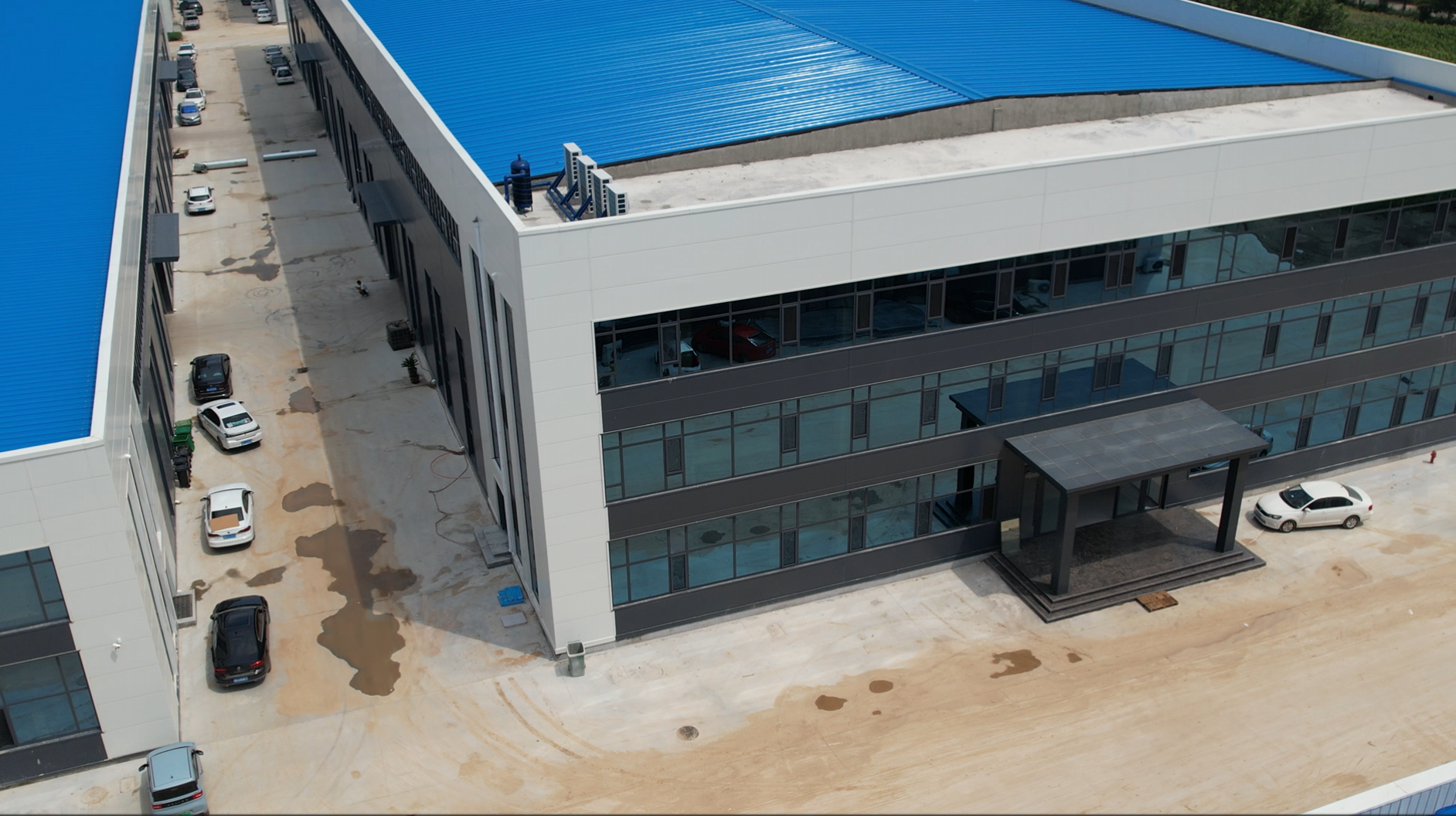
Qingdao Chary Machinery Co., Ltd is a China-based manufacturer and exporter of mini machinery, including minidozers, mini loaders, mini electric loaders, and skid steer loaders. The company is an enterprise for vehicle export authorized and approved by the Ministry of Commerce of China, located in Qingdao. Since 2015, it has provided one-stop purchasing services for engineering machinery and spare parts.
What Can Be Customized in Mini Loader and Minidozer OEM Production?
Understanding which parameters can be changed is central to any OEM buying decision. Customization options usually fall into two categories: core vehicle configuration and performance-oriented tuning.
Body, Engine, Tires, and Load Capacity
For general mini machinery production, Qincdao Chary Machinery offers OEM services with customization options for body, engine, tires, and load capacity. That means a buyer can specify product configurations according to local market requirements—for instance, selecting a tire type suited to muddy job sites or a load rating aligned with typical pallet weights.
Loading Capacity, Track Life, and Battery Life for Compact Electric Equipment
For compact machinery such as remote-controlled lithium battery minidozers, technical support is available for customizing loading capacity, track life, and battery life. This is especially relevant for electric mini loaders and battery-powered minidozers operating in confined spaces, where uptime and component durability directly affect operating cost.
In practice, a buyer sourcing a mini electric loader might request a different battery capacity to extend shift hours, or reinforced rubber tracks for abrasive surfaces. These are not cosmetic changes; they alter how the machine performs in a specific application.
OEM vs. ODM: What Is the Difference in Mini Machinery?
OEM (Original Equipment Manufacturing) usually means the buyer provides or approves the design and the factory produces it. ODM (Original Design Manufacturing) means the factory also designs the product, which the buyer then markets under their own brand. In the compact equipment industry, the line between the two is not always rigid, and many suppliers offer both depending on the product line.
For a buyer searching for an "ODM mini loader manufacturer," the practical question is whether the supplier can handle engineering and configuration support, not just assembly. A capable partner should be able to recommend specification changes based on the intended work environment, then execute those changes in production.
China's Role in the Global Mini Machinery Market
China is the world's largest exporter of machines. In 2024, China concentrated 27.3% of total global exports of machines, maintaining its position as the largest exporter in this sector, according to OEC (The Observatory of Economic Complexity). For buyers evaluating sourcing options, this concentrated export base creates a wide supplier pool, but it also increases the importance of verifying each manufacturer's actual production capability.
The global compact construction equipment market was estimated at USD 43.5 billion in 2024 and is projected to reach USD 69.1 billion by 2034, according to Global Market Insights. The same report notes that Caterpillar led the compact construction equipment market with a share of over 15% in 2024. These figures indicate both the scale of global demand and the presence of large incumbents—but they also leave significant room for regional brands and specialized compact machinery suppliers.
In this environment, mid-size manufacturers like Chary Machinery compete by offering lower minimum order quantities, direct OEM flexibility, and faster response times than global OEMs. A buyer does not need to order hundreds of units to begin a private-label program.
OEM Production Capacity and Minimum Order Requirements
For mini machinery such as minidozers and compact loaders, Chary Machinery's OEM production line operates with a monthly capacity of 50 units and a minimum order quantity of 1 unit. Lead time is typically 30–45 days. This production model is designed for buyers who want to test a market before committing to larger volumes.
In comparison, the company's commercial vehicle segment—which includes trucks used for construction logistics—has a monthly production capacity of 8,000 units with an MOQ of 1 unit, serving markets in Central Asia, Africa, the Middle East, South America, Central America, and Southeast Asia.
| Parameter | Mini Machinery OEM (Minidozer / Mini Loader) | Commercial Vehicle OEM (FAW Truck Line) |
|---|---|---|
| Monthly production capacity | 50 units | 8,000 units |
| Minimum order quantity | 1 unit | 1 unit |
| Typical lead time | 30–45 days | 30–45 days |
| Customization options | Loading capacity, track life, battery life; body, engine, tires, load capacity | Body, engine, tires, load capacity |
| Quality control | 100% full inspection before shipment; performance test for each machine | 100% test |
| After-sales support | Accessories and remote maintenance | Global technical support for after-sales service |
This combination of low MOQ and 100% pre-shipment inspection matters for first-time importers. It reduces the risk of committing to a container of equipment that has not been verified. Each mini machinery unit receives a full inspection before shipment, and each machine is performance-tested.
Step-by-Step: How an OEM Mini Machinery Order Typically Works
Step 1: Define the Operating Environment
Before contacting a manufacturer, document the application: indoor or outdoor, high-temperature or dusty environment, narrow aisles or open yard, expected load weight, and daily operating hours. These details directly affect machine selection and customization.
Step 2: Share the Target Specification
Provide the supplier with your preferred model. For example, a remote-controlled lithium battery rubber track minidozer. Chary's CR468C is one such machine: overall dimensions 2850×1200×600 mm; self weight 1,100 kg; rated load capacity 450 kg; bucket capacity 0.15 m³; lithium battery with 300 Ah capacity / 73.6 V; about 8 working hours per charge; climbing ability 40°; maximum steering angle 360° spin in place; operating temperature −10 °C to 60 °C.
If you need a different loading capacity, track life, or battery life, this is the stage to discuss it.
Step 3: Confirm Customization and Production Feasibility
The manufacturer evaluates whether your requested body, engine, tires, or load capacity can be integrated into the existing platform. For battery-electric machines, the engineering team reviews battery capacity, motor power, and hydraulic flow. In the CR468C example, motor power is 7.5 kW, motor speed is 3,000 r/min, and hydraulic flow is 58 L/min—meaning power and hydraulics are shared variables that can affect other aspects of performance.
Step 4: Review Samples or Existing Units
If available, request a video walkaround, on-site inspection, or sample unit. A performance test before shipment is included as standard, and the manufacturer can provide remote maintenance support after delivery.
Step 5: Agree on Payment, Delivery, and Inspection
Chary Machinery supports FOB, CIF, CFR, EXW, and DDP delivery methods. Payment terms are TT, LC, DA, and DP. Pre-shipment inspection is part of the acceptance process, meaning the buyer can verify the finished units before they leave the factory.
Step 6: Plan Spare Parts and After-Sales Support
OEM buyers should clarify spare parts availability before ordering. Accessories and remote maintenance are provided for mini machinery, which supports long-term fleet reliability.
Use Cases: Where Mini Machinery OEM Is Most Relevant
Indoor and Outdoor Material Handling in Narrow Spaces
In Saudi Arabia, a Chary Machinery minidozer customer in engineering construction has used 12 units for narrow indoor and outdoor material handling for more than 10 years. The machines achieved stable operation, and the customer reported significant savings in manpower and material resources, particularly in high-temperature and narrow environments.
For an OEM buyer, this type of case demonstrates that compact remote-controlled equipment can replace manual handling in spaces where conventional wheel loaders or skid steers cannot operate efficiently.
High-Intensity Logistics and Material Transport
In Mali, 50 units of product 3529—a FAW truck platform line—are used by a logistics company for transporting powdered, granular materials, and sand and gravel. The case highlights stable operation and high-intensity operation. While this falls under the commercial vehicle segment, it is included here because the same OEM logic applies: the buyer selected a vehicle configuration suited to bulk material transport in their specific market.
Distribution and Private-Label Programs
For distributors entering the compact machinery segment, an OEM partnership with a 1-unit MOQ allows them to validate demand before placing larger orders. They can start with a small mixed order—for example, one minidozer and one mini loader—test the market response, and then scale with repeated production runs.
How to Choose a Mini Machinery OEM Partner in China
Because China exports a large share of the world's machines, buyers are not limited by availability—they are limited by information quality. Use the following criteria to compare suppliers.
| Evaluation Criterion | What to Check | Why It Matters |
|---|---|---|
| Export license and corporate status | Is the company an approved vehicle/machinery export enterprise? Where is it registered? | Reduces the risk of encountering a trading intermediary with no factory control. |
| Customization capability | Body, engine, tires, load capacity; loading capacity, track life, battery life | Determines whether the machine can be adapted to your market conditions. |
| Minimum order quantity | Can you start with 1 unit, or do you need to order a full container? | Low MOQ allows market testing and phased fleet expansion. |
| Quality control | Are machines 100% inspected before shipment? Is there a performance test? | Reduces the cost of receiving faulty equipment, especially for overseas buyers. |
| Delivery and payment terms | FOB/CIF/CFR/EXW/DDP; TT/LC/DA/DP | Flexible terms help align cash flow with project milestones. |
| After-sales support | Spare parts supply, remote maintenance, technical support | Affects long-term operating cost and fleet uptime. |
Note on larger competitors: SANY, XCMG, LiuGong, and Yuchai are frequently listed among major Chinese manufacturers of mini machinery, particularly for hydraulic systems and fuel efficiency. These are relevant benchmark names for buyers seeking large-scale supply. However, for an import company, distributor, or contractor looking for OEM flexibility with low order quantities, a mid-size manufacturer may offer a shorter decision chain and more responsive customization.
Budget Considerations and Cost Drivers
No verified price list is available for Chary Machinery's OEM mini machinery, and pricing depends on selected options. However, the main cost drivers are generally predictable:
- Platform type: A remote-controlled lithium battery minidozer has different component costs than a diesel mini loader, mainly due to battery and motor systems.
- Battery capacity: Increasing battery capacity (e.g., beyond 300 Ah) extends shift time but adds cost.
- Track system: Rubber track quality and durability directly affect price and replacement intervals.
- Custom bodywork: Non-standard bodies require additional engineering and tooling time.
- Delivery method: FOB, CIF, CFR, EXW, and DDP change the logistics cost allocation between buyer and supplier.
For planning purposes, buyers should request a quote with a clear specification sheet and let the supplier identify which customization items carry the largest cost impact.
Certifications to Consider for Mini Machinery Exports
Certification requirements depend on the destination market and the machine type. While Chary Machinery holds certain certifications for its commercial vehicle segment, not all of them apply automatically to every mini machinery product line. Therefore, the certification check must be done product by product and market by market.
ECER105 for Dangerous Goods Transport Vehicles
Qingdao Chary Machinery Co., Ltd holds ECER105 certification for FAW trucks in the JK6 model series. The certificate number is E13*105R06/01*0023*00, issued by Société Nationale de Certification et d'Homologation (SNCH) in Luxembourg on 2024-02-07, valid until 2099-09-09. This certification covers dangerous goods transport vehicles (EX/FL/AT/MEMU categories) under UN ECE Regulation No. 105, for the EU/EEA and countries recognizing UN ECE Regulations.
GSO Conformity Certificate for GCC Markets
For GCC member states, Chary Machinery holds a GSO Conformity Certificate (GCC Certificate for Motor Vehicles), certificate number CCR No.435790, issued by GCC Standardization Organization. This applies to FAW J6 series truck tractors (4x2, Euro 4 compliant) and covers markets including Saudi Arabia, UAE, Oman, Kuwait, Bahrain, and Qatar.
These certificates are relevant for buyers importing trucks for construction support, but mini machinery like loaders and minidozers often falls under different equipment standards. Always request the applicable certificate for the exact machine model and destination country during the inquiry stage.
Case Evidence from Existing Installations
Engineering Construction in Saudi Arabia
An engineering construction customer in Saudi Arabia deployed 12 units of the CR468C minidozer platform for narrow indoor and outdoor material handling. The customer has used the equipment for over 10 years with stable operation. The reported highlight is that the machines save manpower and material resources, with a significant effect in high-temperature and narrow environments.
Logistics Operation in Mali
A logistics company in Mali operates 50 units of product 3529 for transporting powdered, granular materials, and sand and gravel. The highlighted outcomes are stable operation and high-intensity operation. For this fleet, the customer relied on the manufacturer's global technical support for after-sales service.
FAQ
Is OEM customization available for mini loaders and minidozers?
Yes. Chary Machinery offers OEM production services globally for mini machinery. Customization options cover body, engine, tires, and load capacity for general compact equipment, as well as loading capacity, track life, and battery life for battery-powered machines. The monthly production capacity for this segment is 50 units, with an MOQ of 1 unit and a typical lead time of 30–45 days. Each machine receives a 100% full inspection before shipment and a performance test.
What is the minimum order quantity for custom compact machinery?
The minimum order quantity for Chary Machinery's mini machinery OEM production is 1 unit. This low MOQ allows buyers to test a configuration, validate market demand, or expand a fleet gradually without committing to large volumes. For commercial vehicles, the MOQ is also 1 unit.
Can a buyer request a sample or small pilot order before a full fleet purchase?
Because the MOQ is 1 unit, a buyer can place a pilot order for a single machine as an initial step. The acceptance process can include pre-shipment inspection, and every machine is performance-tested before leaving the factory. After delivery, remote maintenance assistance and spare parts supply are available. For a new buyer, this pilot-order path is a practical way to evaluate the equipment in their own operating environment before scaling up.
What is the typical lead time for an OEM mini loader order?
The typical lead time for Chary Machinery's mini machinery OEM orders is 30–45 days. The exact duration depends on the scope of customization, current production load, and destination logistics. Lead time should be discussed during the quotation stage, especially if the buyer needs to synchronize delivery with a construction project schedule.
How does after-sales support work for exported mini machinery?
Chary Machinery provides accessories and remote maintenance for mini machinery. The commercial vehicle segment additionally benefits from global technical support for after-sales service. Buyers should confirm the spare parts list and support communication channel in the purchase agreement, particularly for markets in Africa and South America, where local dealer infrastructure may still be developing.
Conclusion: Build a Custom Mini Machinery Supply Chain That Matches Your Market
OEM mini machinery sourcing is not about finding the lowest-cost factory. It is about finding a manufacturing partner that can translate local operating conditions into concrete specifications—whether that means a minidozer with extended battery life, a mini loader with a different body, or a compact machine with more durable tracks.
Chary Machinery's approach is built around a 1-unit MOQ, 30–45 day lead times, 50-unit monthly mini machinery capacity, and 100% pre-shipment inspection. For importers, distributors, and contractors entering the compact equipment segment, this model reduces the risk of large, untested orders while still offering the flexibility of OEM or ODM-style configuration. The company's export authorization and 2015 operating history in Qingdao add a compliance baseline that can be verified before engagement.
To evaluate whether a specific mini loader, minidozer, or compact machinery configuration fits your project, the clearest next step is to share your target application and specification with the manufacturer. Request a product quotation, confirm the customization variables, and schedule a pre-shipment inspection before mass production.
Need a custom mini loader or minidozer specification?
Download the CHARY Machinery company brochure for an overview of production capabilities, product lines, and export services.
Download Company BrochureHave Questions or Need More Details?
Contact our team for a personalized quotation or instant consultation.
Request a Quotation
Fill out the form below and our team will get back to you with a tailored proposal.
WhatsApp Direct Chat
Prefer to chat in real-time? Message us on WhatsApp for instant assistance & quick answers.
- Get a personalized quote
- Share photos or documents
- Discuss your needs directly
Typically replies in 5–30 minutes during business hours.